Exploring the history and rare bottlings of the world-famous ghost distillery
Rum from the ghost distillery in Trinidad is notoriously challenging to drink and is in short and diminishing supply. But two new bottlings with a more approachable flavour profile are a good way to have a taste of this remarkable spirit. Join the cult of Caroni – before it’s too late.

In 2005, Daniele Biondi ran a rum bar in Milan, serving cuba libres, mojitos etc, when his rum wholesaler, Velier, sent him something new to try: ‘My reaction was, “OK, Caroni, never heard of it… sounds Italian… cool label with black & white photography… 63% ABV… no added sugar… it’s from 1983?! What the **** is this?!’”
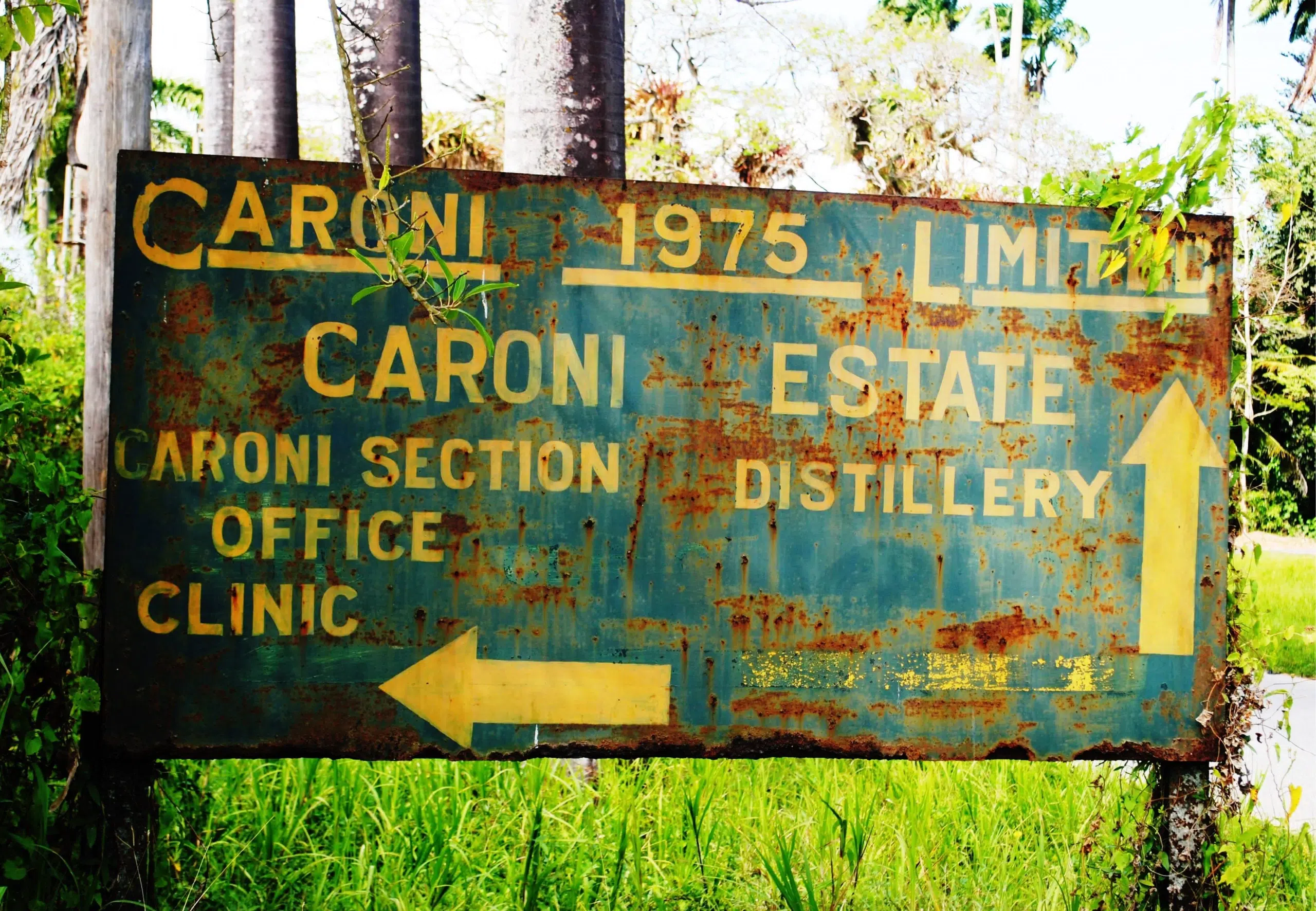
What it was, was the start of a cult spirit that changed the way the world drinks rum. What it also was, was the result of an unexpected discovery. In 2004, Luca Gargano, the boss of Italian spirits importer Velier, travelled to the Caribbean with a photographer to visit various distilleries. They got to Trinidad and headed to Caroni Distillery, only to discover it was abandoned and overgrown with weeds.
Accounts differ about which year Caroni began distilling sugar cane – a few years either side of 1920, probably, but British sugar company Tate & Lyle took control in 1936. For many years, it supplied the British navy with rum to add to the blend handed out to sailors as the daily tot. But, post-war, the sugar cane industry declined and distilleries (run by sugar refiners as a way to make money from a waste product, molasses) in Trinidad fell from 50 to a handful, which, by the 1990s, were being propped up by the Trinidad & Tobago government.
In 2002, the government shut down the Caroni sugar mill and, with it, the distillery. As well as being before social media, this was at a time when very few rum distilleries were well known – apart from Appleton, Zacapa and a few others, the rum brands the world knew were blends. So, a disappearing distillery was not news that had spread to Italy.
Gargano’s disappointment soon turned to joy because there was a warehouse of seemingly forgotten barrels of rum dating back to the 1980s. Velier bought the lot. And, within a year, bartenders such as Daniele Biondi were tasting something very different. ‘I personally liked it a lot: super old, very woody, with empyreumatic notes – burnt tyre and petrol – that make Caroni unique and amazing.’
It wasn’t an instant hit with rum drinkers but, in 2010, Gargano and his new brand ambassador Biondi, took it to La Maison du Whisky’s “Whisky Live” event in Paris. Whisky lovers got the appeal straight away: extremely old spirit with a challenging flavour profile from a ghost distillery? It was rum’s Port Ellen. The cult of Caroni was born, as was the concept of independent rum bottlings, exploring the character of individual distilleries, the same way obscure single malts had been introduced to enthusiasts.
Some influential collectors – including Sukhinder Singh (at the time, co-owner of The Whisky Exchange) and Thierry Bénitah of La Maison du Whisky – were captivated. Eventually, La Maison would merge with Velier and Singh’s Elixir independent bottler would use Caroni in its Black Tot navy-style rum blends.
Mitch Wilson, Elixir’s rum expert, describes the appeal: ‘Caroni has a unique character but, at the same time, varies a lot. It can have these very beautiful fruit flavours: peaches, apricots, stone fruit notes you find in other Trinidad rum. But it also leans towards this heavy diesel side, which is completely in a world of its own. It’s the variety that makes it worth exploring.’
Like many Caribbean distilleries, Caroni produced contrasting “marques” of rum from different stills. However, where many produce a low-ester (responsible for funk and tropical fruit notes) rum in their column stills, Caroni’s “cleaner” rum is punchier than many other distillers’ pot-still rum. There is a lot of trainspotting that can be done with rums – marque, ester count and tropical vs continental ageing. As well as the cache of Caroni at the abandoned distillery, there was stock from the last decade of its operation that had been shipped to warehouses in Europe for blending. When the cult of Caroni dawned, the owners realised what they had.

Much is often made of the advantages of tropical ageing. It’s estimated to be three times faster than in, for example, Scotland. So, theoretically, a 30-year-old tropical-aged rum is the equivalent of 90 years’ continental ageing. But, for example, Elixir’s Sukhinder Singh argues in favour of an initial period of accelerated ageing, before a more considered maturation where a rum can be monitored over time to choose the right point for release.
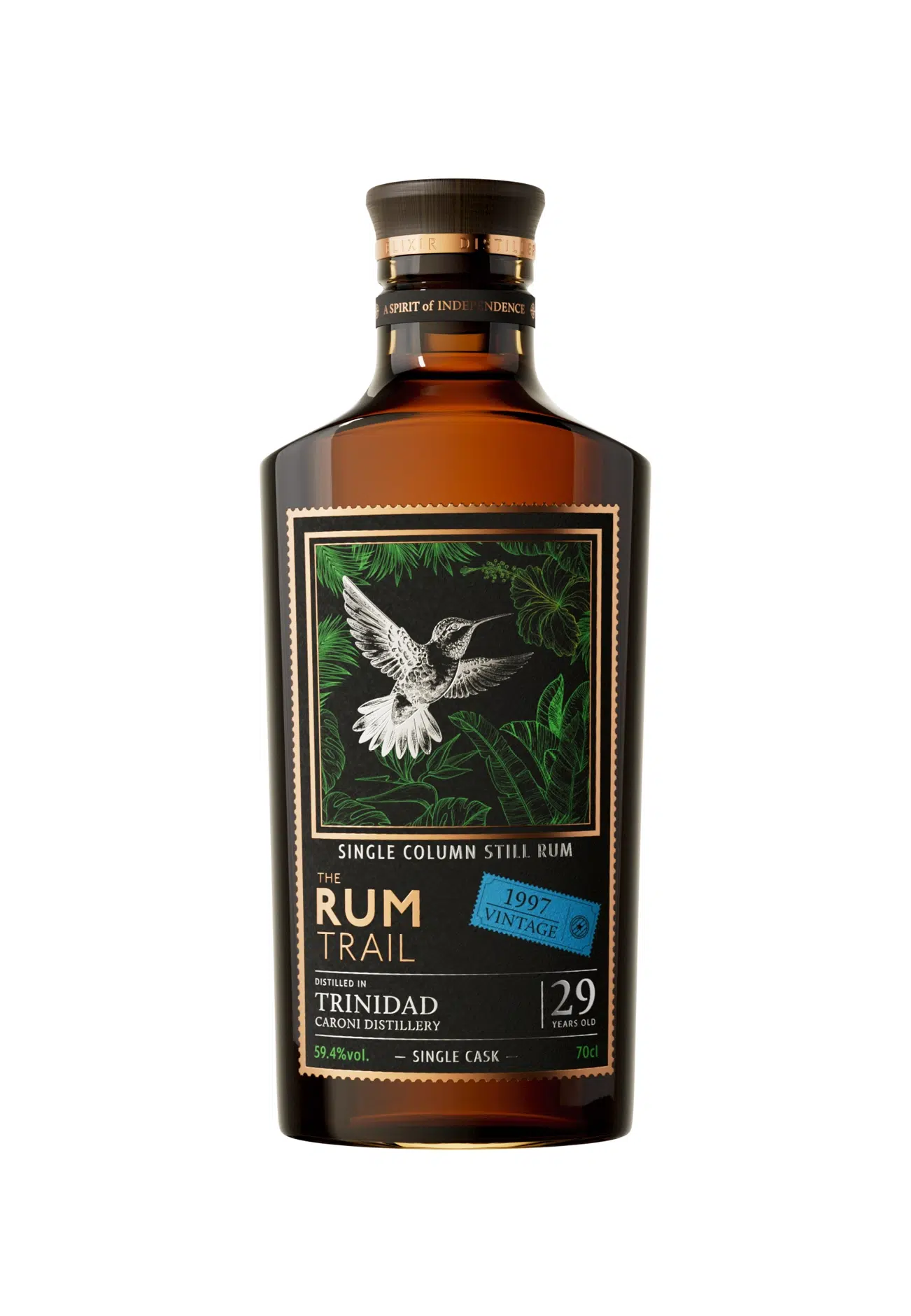
Elixir Trails is his collection of bottlings that explore the geographical and stylistic varieties of different spirits. It has just released a 1997 Signature Barrel of Caroni on The Rum Trail with 13 years’ tropical ageing before a further 15 continental. He says, ‘It is well balanced, which is what I always look for in any spirit. It is bright with tropical fruit and fresh spices, orange and ginger with just a hint of the diesel note that Caroni devotees love.’
(1)
Elixir Trails Signature Barrel Series 1997 Caroni rum (29YO; 59.4% ABV; 176 bottles; £395)
(2)
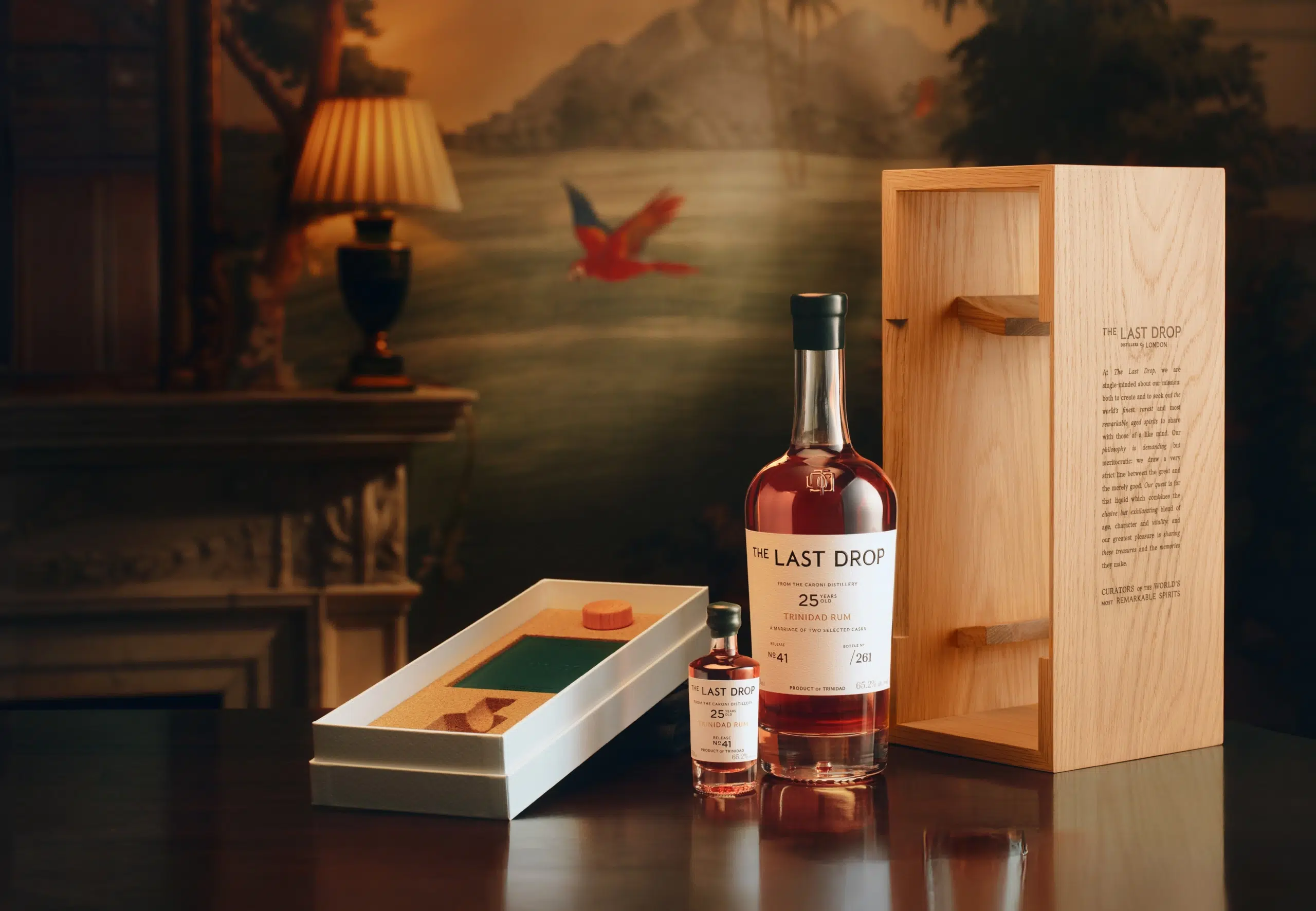
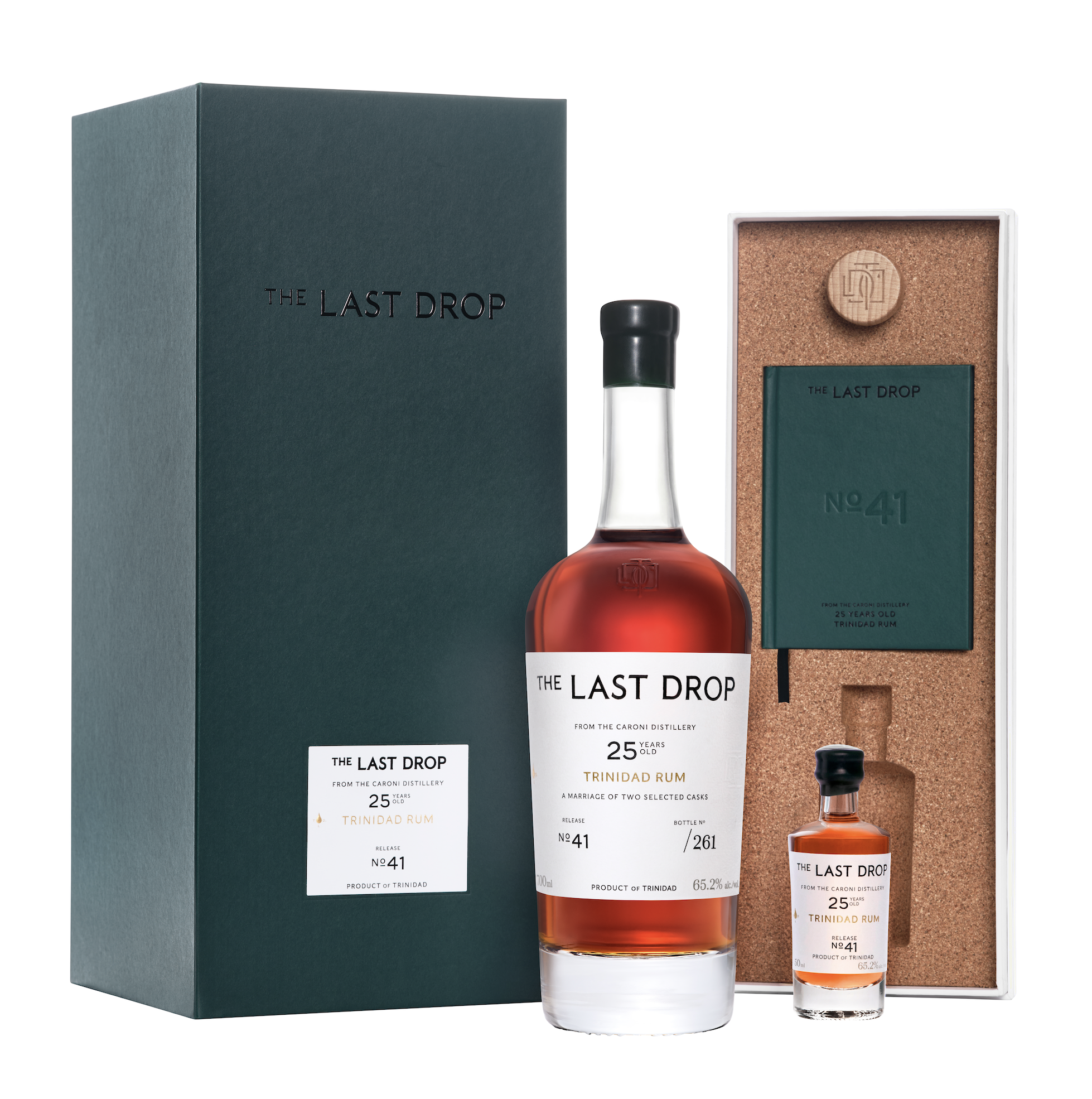
The Last Drop Release No. 41: 25-Year-Old Trinidad Rum from the Caroni Distillery (65.2% ABV; 261 bottles; £1,750)
(3)
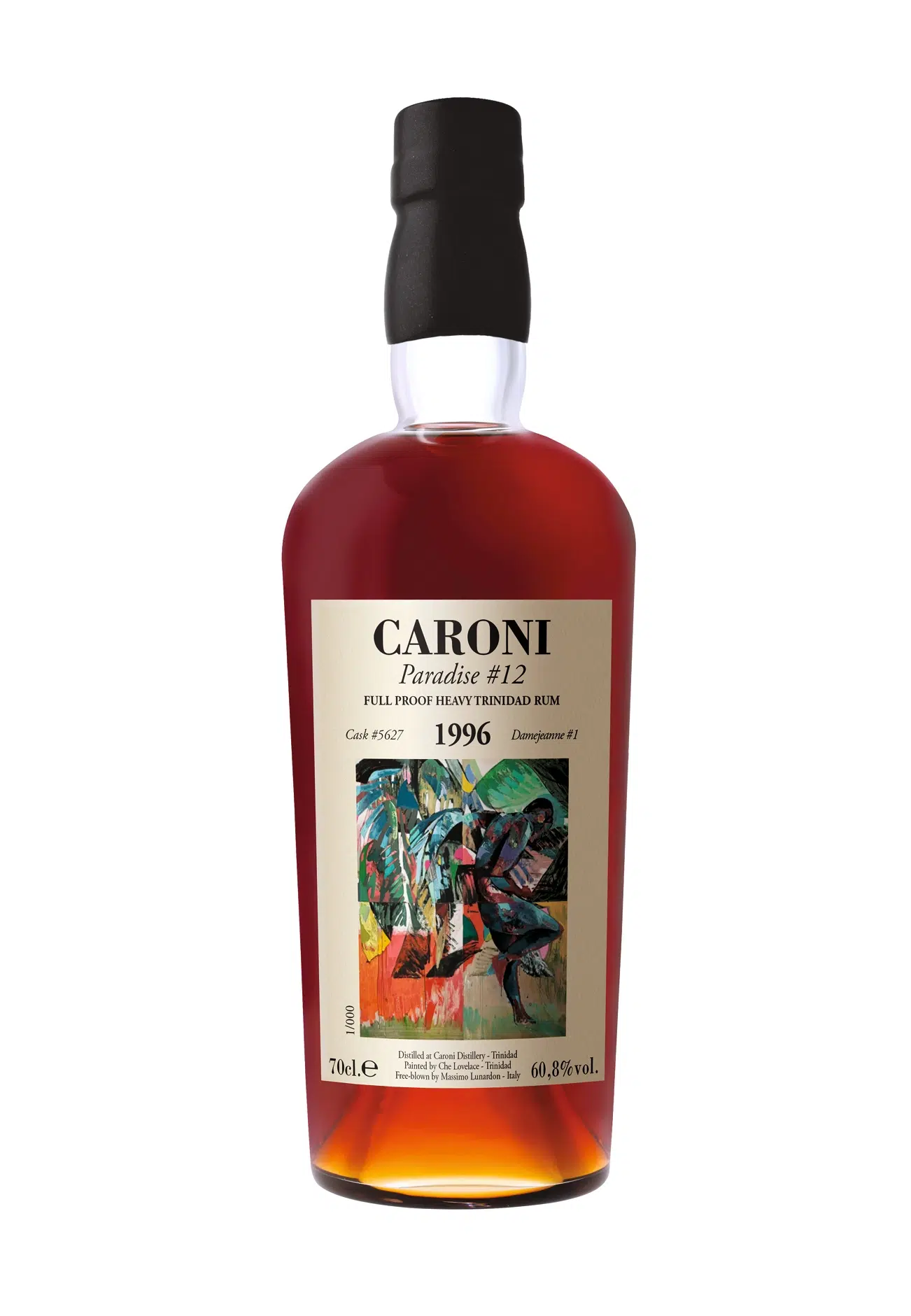
Caroni 1996 Cask 5627 Paradise #12 (23YO, tropical; 60.8%; a handful of bottles remaining; £2,575)
(1)
Elixir Trails Signature Barrel Series 1997 Caroni rum (29YO; 59.4% ABV; 176 bottles; £395)
(2)
The Last Drop Release No. 41: 25-Year-Old Trinidad Rum from the Caroni Distillery (65.2% ABV; 261 bottles; £1,750)
(3)
Caroni 1996 Cask 5627 Paradise #12 (23YO, tropical; 60.8%; a handful of bottles remaining; £2,575)
Daniele Biondi says that La Maison Velier has a different approach: ‘Tropical ageing is in our credo. We are not spirits makers like Sukhinder; we are exclusively bottlers, so we prefer to touch the liquid as little as possible. So, yes, our Caronis are highly wood influenced. It can be like chewing a stave! But then, for us, Caroni is extreme.’
Even for Velier, however, there was a limit to the extremity. In 2019, they decided 23 of their rums could evolve no further, filled them into demijohns and hid them in a “paradis” (a locked cellar section) in France. Since 2022, these have been gradually released as the Paradise series – the latest is number 12.
For a more mellow way into Caroni, there is the Elixir Trails release, out soon, and another from The Last Drop.
Colin Scott, former master whisky blender of Chivas Brothers, but also a rum connoisseur, is now a consultant for The Last Drop. He says, ‘We have blended two casks – one from 1997, the other from 1999. The details are lost but, because of the colours and different depths of flavour, we feel one is pot-still and the other is a continuous column. It’s like the iron fist in the velvet glove: a big punch of flavour and then you get a wonderful softness and velvet smoothness to follow.
One thing bottlers of Caroni agree on is to keep the alcoholic strength high. Biondi jokes, ‘Philosophically, touching this magic liquid with vulgar water is wrong! But the other reason is more technical: high-ester rums express much better at high ABV. Esters are heavy-chain molecules that are not volatile, so ethanol is a vehicle to carry the aromas to the nose. If you dilute the rum to below 50, you basically lose that.’
There is less consensus about how you actually pronounce Caroni. Of course, the Italians have embraced it as if it were their own name. Apparently, in Trini (and among rum geeks), it’s closer to “Kareny”. Biondi adds, ‘Just please don’t call it what my French colleagues do: Caro Knee!’
elixirtrails.com; lastdropdistillers.com; thewhiskyexchange.com (for Velier Caroni); lamaisonandvelier.com