


The annual Leica international reportage photographic competition has again delivered some striking images and stories
There are the Oscars. And then there are the Oskars. OK, nobody actually calls the annual Leica Oskar Barnack Award that, but in the world of photography this is a big deal. And, after all, it does culminate in a red-carpet event in Germany at Leica’s Modernist HQ campus in Wetzlar.
Here, photographers and press gather to see who has won the two gongs on offer – photographer of the year and newcomer of the year. The process leading up to this is lengthy and involves photographers nominating work by their peers (for photographer of the year) and universities and colleges nominating young talent for the newcomer category.
This year saw 253 nominations from 62 countries, each one a series of photographs that fitted the entry criteria as defined by Leica: ‘The prerequisite for a nomination for the Leica Oskar Barnack Award is that the pictures are documentary or conceptual-artistic works that deal with the relationship between people and the environment.’ These were then judged by a jury made up of photography experts. A shortlist of 12 projects of 15-20 images each made the cut to be exhibited at the event in Germany, and two of these were designated as the winners.
The LOBA has been a fixture since 1980 and is a cornerstone of Leica today. It is named for the man who invented, in 1913, the first 35mm still-camera to gain commercial success, ushering in a new world of photography that could be easily pursued on the street and on location without cumbersome equipment and set-up. Barnack worked for the Ernst Leitz Optische Werke, and the firm would sell this game-changing creation from 1925 as a Leica (a name made from “Leitz camera”).
Today, the LOBA annual competition shines a light on the legacy of that moment: the practice of reportage photography, giving photographers the opportunity to tell stories and make cultural and political statements, as well as aesthetic ones.
This sort of photography is ingrained in the Leica story. Some – perhaps even most – of the greatest photographs ever taken have been achieved with a Leica. The little girl running terrified from a napalm attack in Vietnam (by Nick Ut), the Spanish Civil War loyalist soldier falling after being shot (by Robert Capa), a sailor kissing a dental assistant in Times Square on V-J Day (by Alfred Eisenstaedt) and, also in Times Square, a few years later, James Dean huddled in his overcoat against the rain (by Dennis Stock). And so on…
For today’s fans of photography the reportage approach is increasingly in want of exposure, and yet we live in a time of mass digital image making. Leica’s mission is to keep the flame of quality photojournalism alive and, for those who want to apply more craft to the taking of pictures, create the tools with which to elevate the shooting experience from a reactive impulse to a considered art.
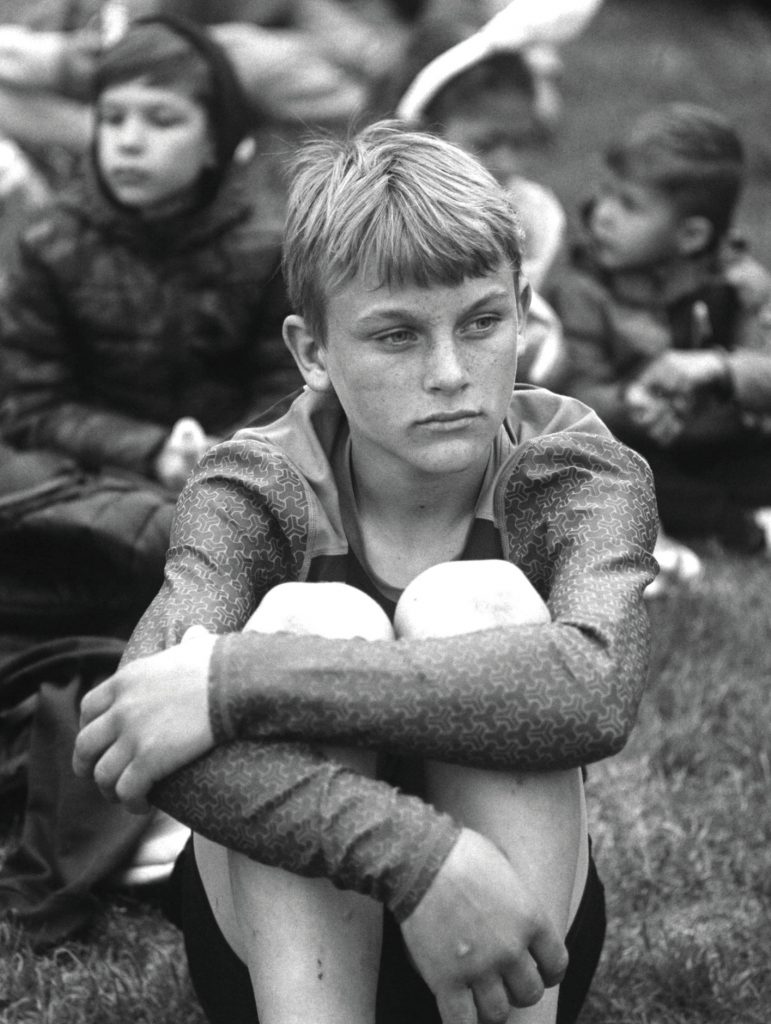
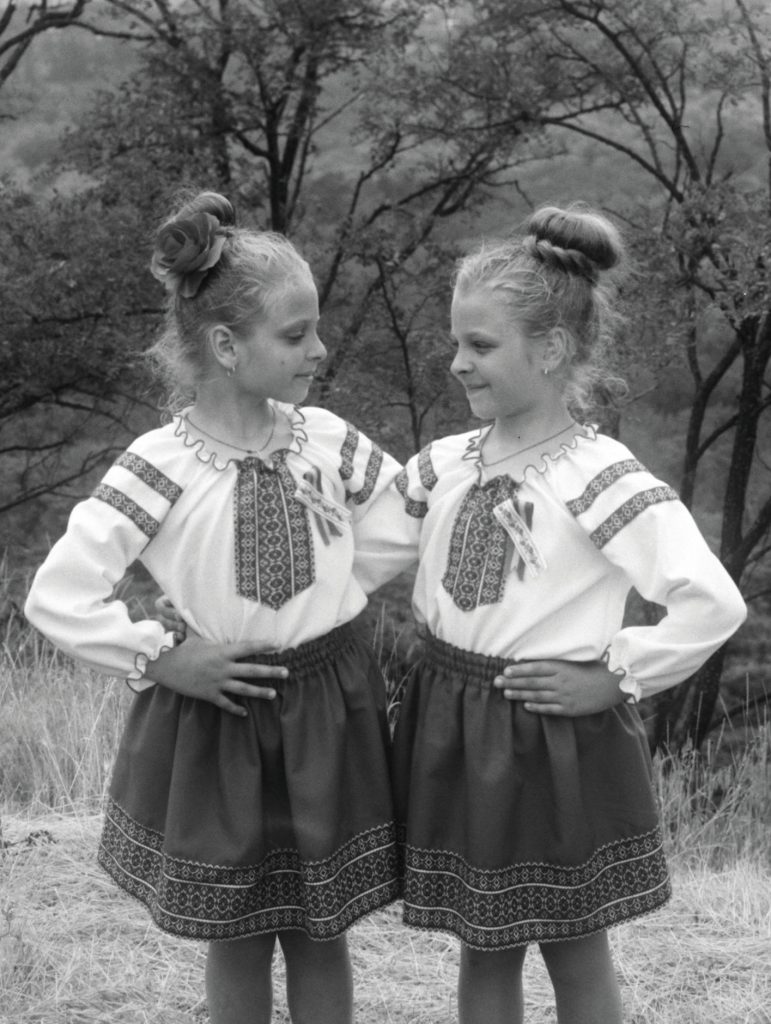
This year’s shortlist and winners of the LOBA certainly do just that. The winner of the Newcomer award is Maria Guțu, whose portfolio, entitled Homeland, explores her ambivalent attitude to her country, the Republic of Moldova. By taking unflinching black-and-white portraits of the young people of the country, she presents a picture of a generation facing an uncertain future.
Meanwhile, the work of the winner of the LOBA, Italian Davide Monteleone, could not be more different. Critical Minerals – Geography of Energy is an epic sweep examining the effects on the landscape caused by the mining of the raw materials required to transition us to sustainable energy. Looking at lithium and copper mining in Chile; nickel extraction in Indonesia; and copper and cobalt mines in the Democratic Republic of Congo, Monteleone captures images of something unnatural unfolding in the name of sustainability.
The photographer acknowledges that the issue is complex one: ‘If we carry on taking cobalt from the Congo in the way we are, we are going in the wrong way. But then there are some other technologies that are moving in the right way. There are always problems with technology in a period of change.’
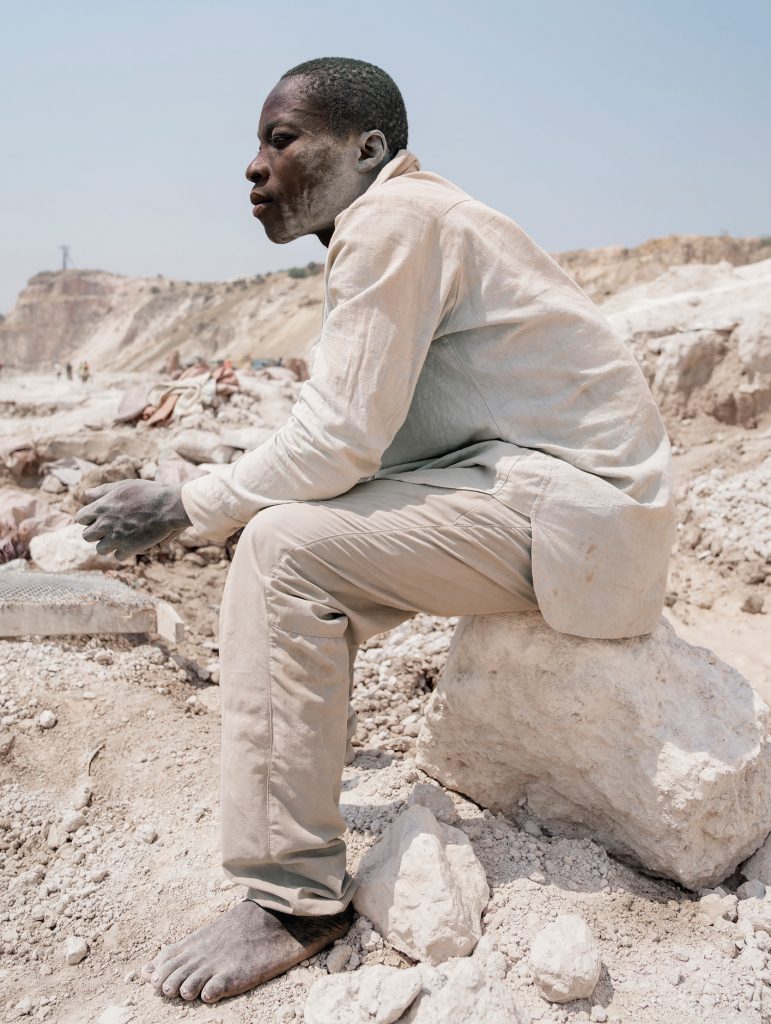
Monteleone says that he wants to alert people to the challenges – social and geopolitical, as well as ecological – of moving from fossil fuels to “clean” energy. It is not that he is against the direction of travel, just that he wants us to be more conscious of what is involved. ‘I am convinced we need to change if we are to survive. The planet doesn’t care. It’s not about saving the planet it’s about saving ourselves.’
Monteleone’s images are often disarmingly beguiling, full of striking colours. But what they show is a landscape transformed. ‘It’s essential [as a photographer] to go beyond mere documentation and strive for storytelling that educates, advocates and inspires action,’ he says. His hope is that his pictures will help focus attention on this issue: ‘The transition to green energy and fair distribution of resources are critical issues. Increased debate and visibility can encourage political decision-makers to take the necessary measures.’
