Our pick of alcohol-free drinks to get you through Dry January
Craving the ritual of a Friday evening cocktail, missing the comfort of a cosy winter dram – or maybe dim sum just doesn’t hit the same without a cool, refreshing lager in the mix? We hear you. That’s why this roundup of 0.0% abv options is specially tailored to find the best substitutions for your favourite tipple.
Jump Ship – the dark beer alternative
Jump Ship is Scotland’s first non-alcoholic brewery, set up in 2024 by Sonja Mitchell, having contract-brewed since 2019. The head brewer used to work at Caledonian Brewery (best known for Deuchars). It offers an array of IPAs, but the darker styles are most impressive. The Stoker’s stout has the robustness of an alcoholic stout, with the classic coffee and bitter chocolate notes, but is more refreshing – almost closer to a porter. The bittersweet amber ale has proper beer mouthfeel and is perfectly balanced between hoppy, fruity and malty. Four-packs from £11.99; jumpship.beer

Bero – the IPA alternative
Handlebar moustaches and anchor tattoos may be out, but craft beer is still big business. And new to the burgeoning non-alcoholic craft beer market is Bero, a London-born brand that’s crafted in America with serious Hollywood pedigree. Marvel star Tom Holland founded Bero in 2024, having gone sober two years earlier after a Dry January stint turned permanent. His vision was to create a brand that wasn’t a substitute but “a new gold standard in beer” – focusing on craft, quality and taste by using the same foundational steps as full-strength beer. Bero is a triumph, with lager and craft-beer styles designed to appeal to everyone. Six-packs from £12; berobrewing.com

Kazimo – the cocktail alternative
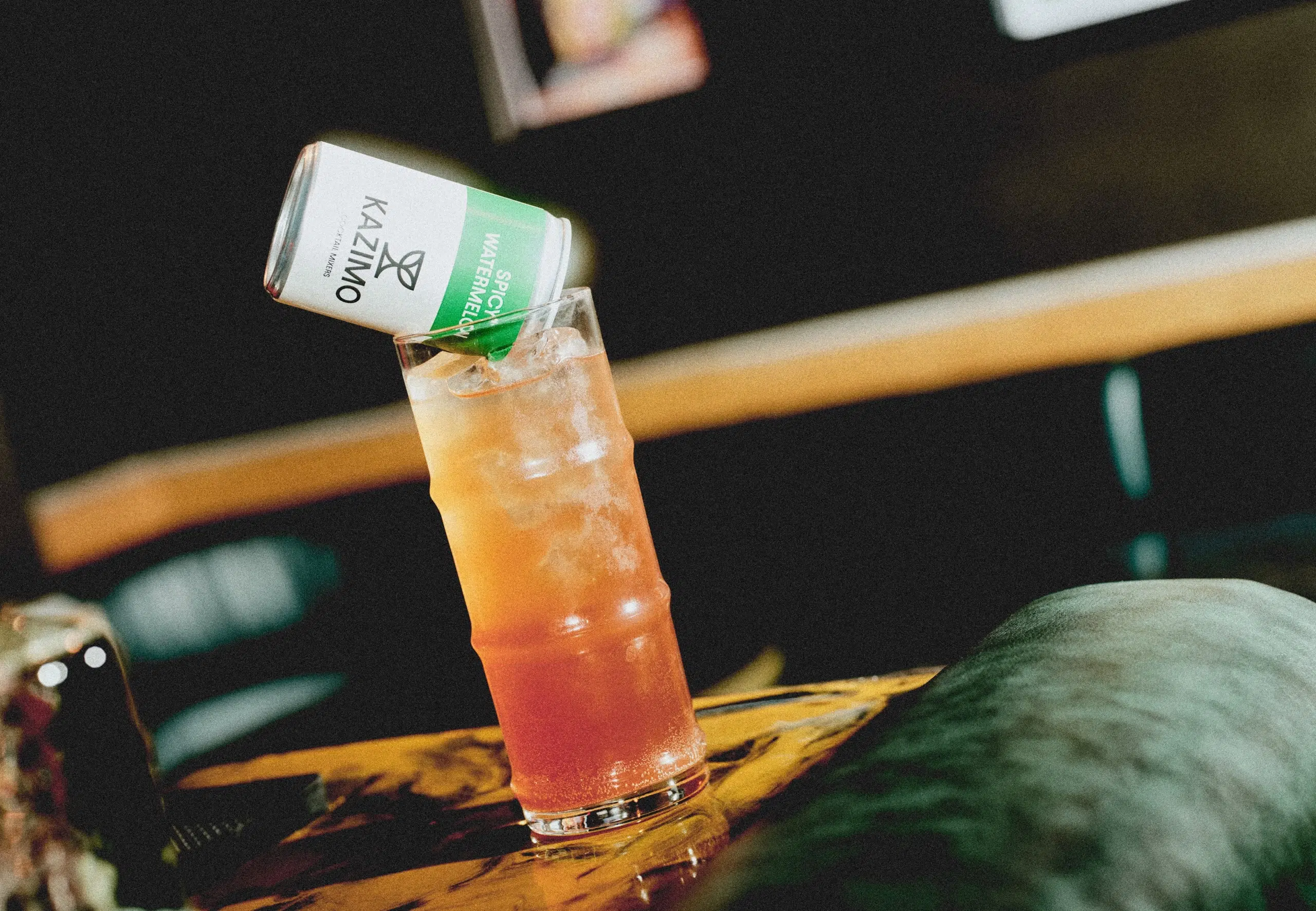
Marcis Dzelzainis has run some of our readers’ favourite bars of the last couple of decades: Zetter Townhouse, Sager + Wild, 69 Colebrook Row… As co-founder of Kazimo, he has created a range of bartender-quality mixers that are good enough to drink on their own. The four interesting flavours (yuzu; rhubarb; passion fruit; spicy watermelon) are all well balanced, with a decent citrus zing. With its habanero essence, the watermelon particularly gives you that throat bite missing from so many sodas. (And, in February, just add tequila!) Mixed cases from £12.50 for eight cans; kazimomixers.com
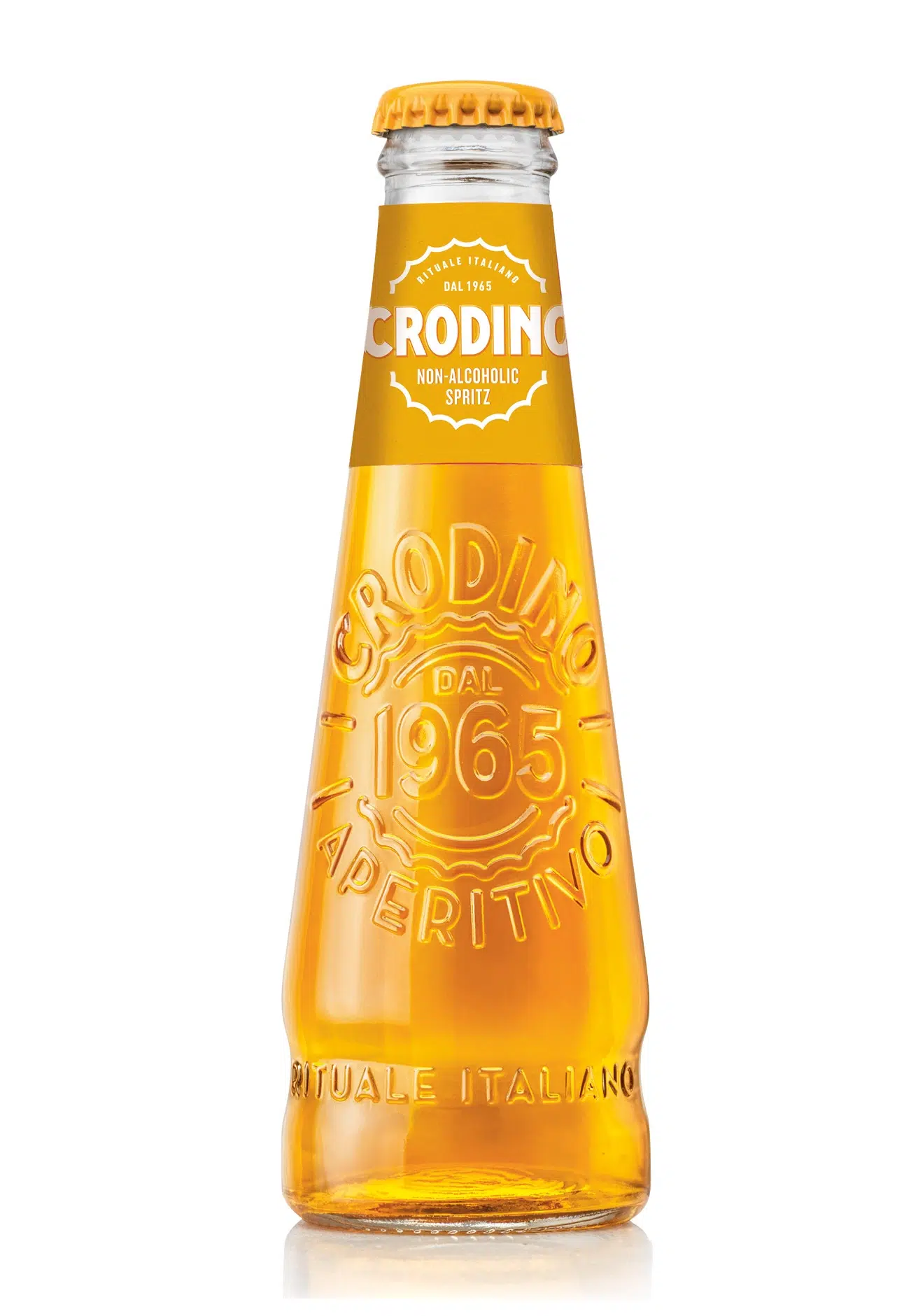
Crodino Spritz 0.0%– the spritz alternative
This Italian cultural icon was developed in 1965 by Piero Ginocchi, who owned the Terme di Crodo mineral water springs in the Alps, as a non-alcoholic version of popular bittersweet botanical aperols Campari Soda and Aperol Spritz (not a 21st-century phenomenon in Italy). He called in winemaker Maurizio Gozzelino from Piedmont to formulate the recipe (and the late Brigitte Bardot for the ads!). Of course, the recipe is secret, but you can taste vanilla, orange peel, herbs, spices and barks. It’s also aged in oak for six months to develop those flavours. Four-packs £8 from Sainsbury’s; crodino.com
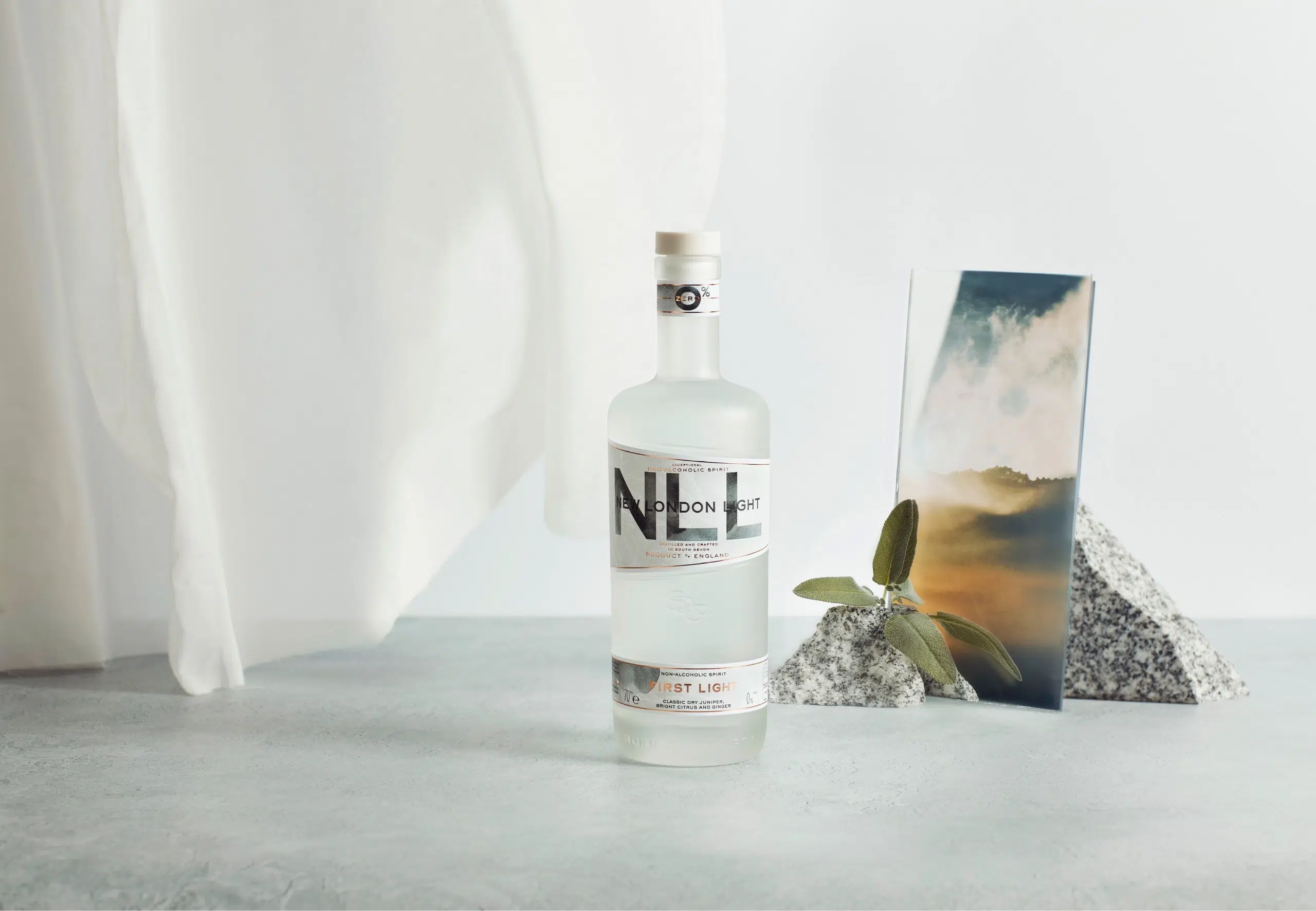
New London Light “First Light” – the gin alternative
Not that New London Light calls First Light a non-alcoholic gin, as that is contrary to a new EU ruling, and the EU is an important market. However, NLL is from Salcombe Gin, the Devon-based distillery that makes a proper juniper-led London dry. This clear botanical non-alc has a similarly bold influence of the seed cone of the coniferous shrub, along with sage for complex herbal earthiness and bright orange citrus notes. Crucially, the ingredients also include ginger and habanero pepper to give a bit of that grip you get from an alcoholic spirit. £25; newlondonlight.com
Cask by Sentia – the whiskey alternative
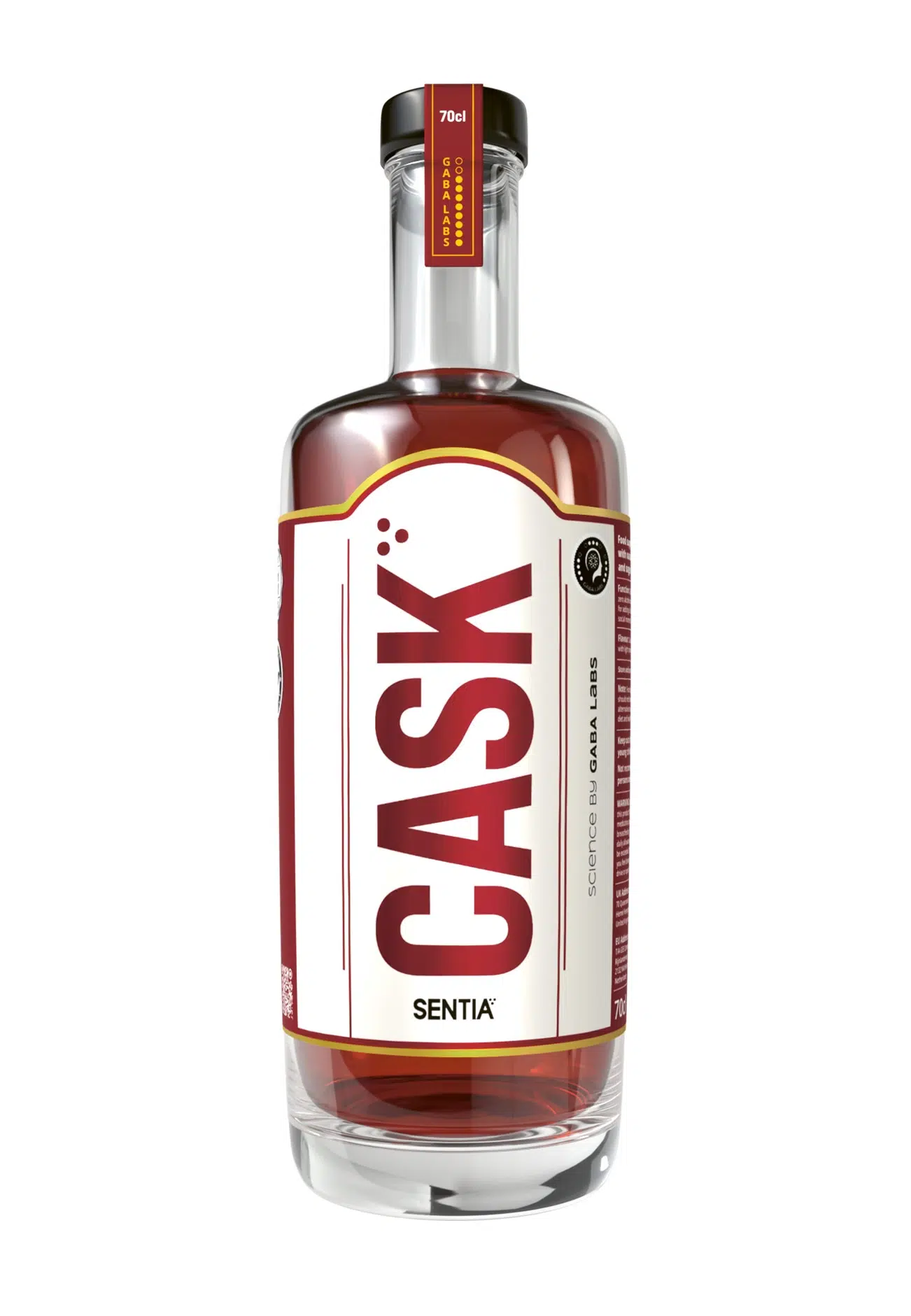
Sentia’s “non-alcoholic spirits” contain a blend of plant compounds developed by GABA Labs (co-founded by controversial but accomplished neuropsychopharmacologist David Nutt – Google him) as a “safer” alcohol alternative, stimulating the GABA receptors in our nervous system, to make us relaxed and convivial, without the repercussions of booze. Cask is Sentia’s first overt attempt to mimic a specific spirit. It lacks the whiskey bite and silky mouthfeel that makes you sip, not swig, but its botanical profile (roots, flowers, a lot of bark) gives it a familiar oakiness. Best mixed. £34.25; sentiaspirits.com
Highland Boundary Scots Pine Mugolio – the liqueur alternative
Mugolio is a syrup made from the dwarf mountain pine (pinus mugo) in the Dolomites but this is the Scottish remix, using unripe pinus sylvestris cones, which are allowed to ferment over a year. Even without producing alcohol, it develops complex flavours: caramel-sweet, earthy, sharp – and just a drop of water in it makes it a delicious liqueur as a treat. For every day sweet-tooth satisfaction, Highland Boundary’s foraged syrups – Scots pine, gorse, honeysuckle, rosebay – make a change from boring elderflower. Scots Pine Muglio, £25; syrups, £9; highlandboundary.com

Zeno Sparkling White NV – the sparkling wine alternative
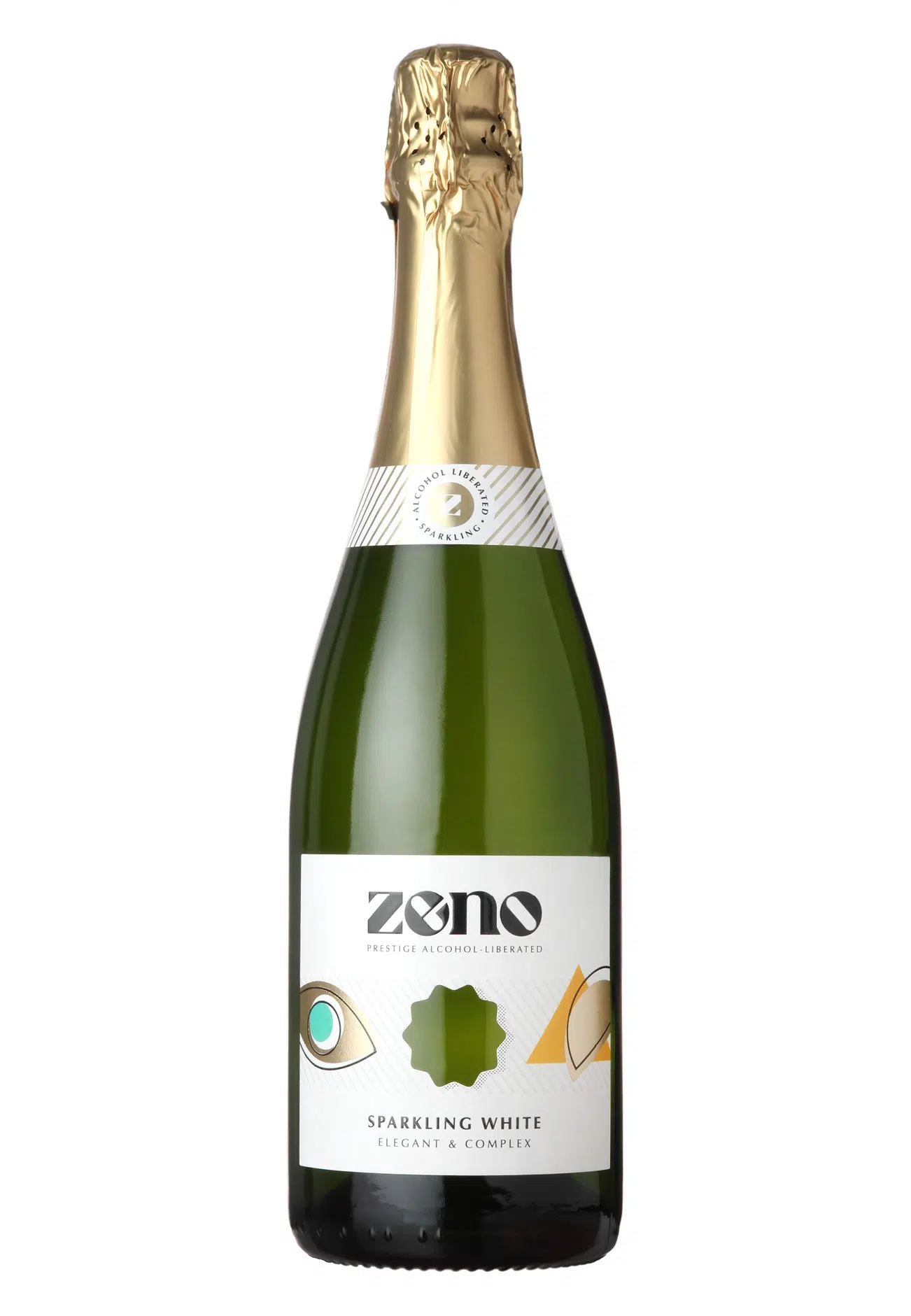
One of the hardest things to maintain for any maker of non-alcoholic drinks is mouthfeel. For example, a sparkling wine cannot be made in the traditional method – secondary fermentation in the bottle creates alcohol. Carbonating on the production line results in large bubbles that dissipate quickly. Zeno adds CO2 overnight in a pressurised tank – resulting in tingly, cava-like little bubbles. That, plus low temperature, vacuum de-alcoholising distillation of the Spanish wine carry genuinely vinous notes (citrus, apple, elderflower, brioche) to the nose and tongue. Rosé fizz and still wines are also available. £12 from Waitrose Cellar; zenowine.com
Jing Jasmine Pearls Sparkling Tea – the craft lager alternative
The specialist in single-garden teas has followed that commitment to sourcing and handcrafting through to this beautifully aromatic, dry and refreshing sparkling drink. The green tea pearls come from Shekou Garden, a plantation in mountainous Fujian, the home of jasmine tea. The tea leaves are dried slowly to preserve freshness, before being scented by the flowers and hand-rolled into pearls. Later, the pearls are infused in cold water and carbonated. The result is drier than champagne, but as complex, with a hop-like balance of grassy and floral notes. And no calories. £22.80; jingtea.com

Wild Idol – the fancy fizz alternative
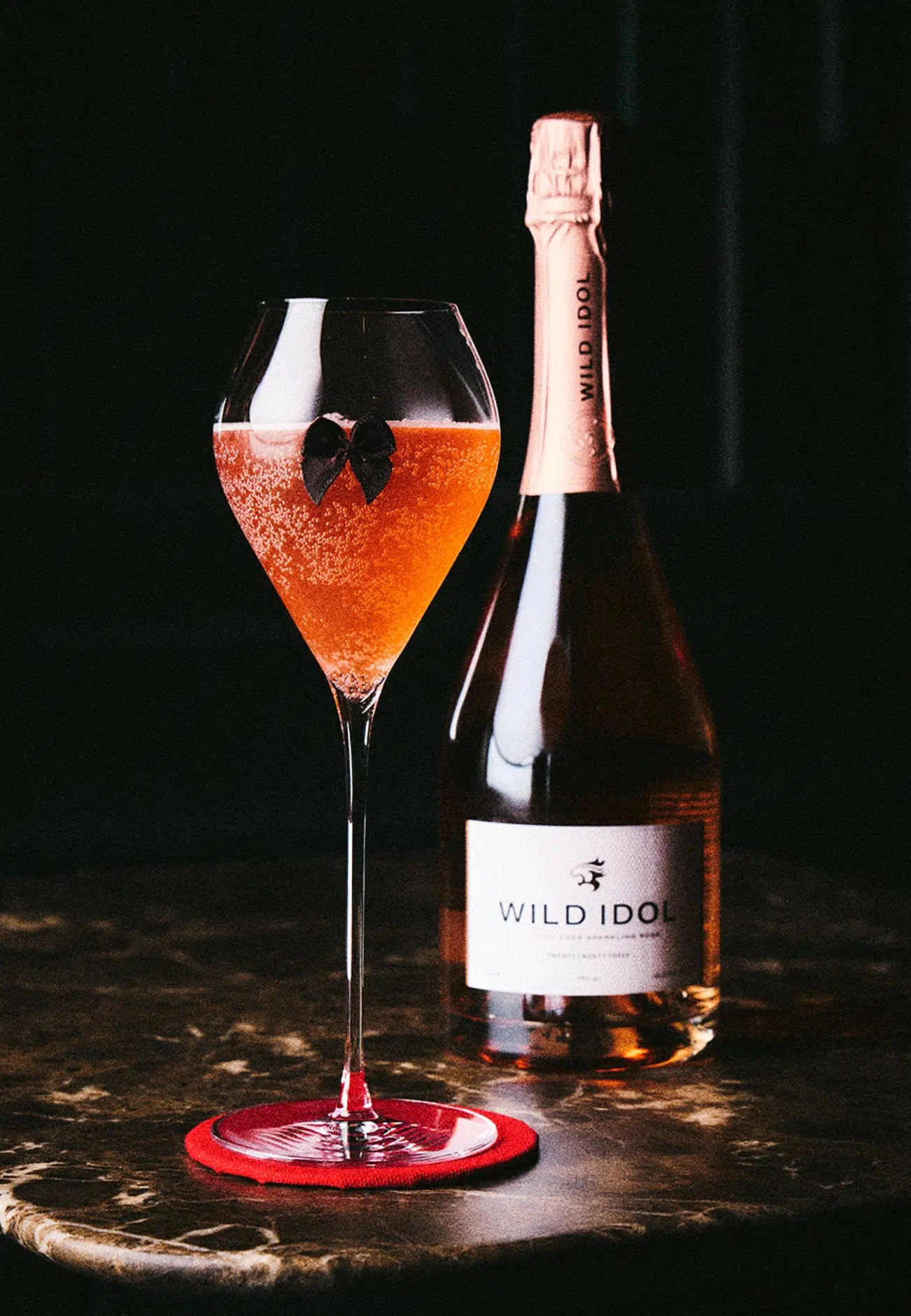
Naturally alcohol-free sparkling wine brand Wild Idol understood the brief. The sparkling white and rosé drinks are made using traditional winemaking techniques, so they have the same make-up as alcoholic fizz without any cloying sweetness or artificial flavours – plus the elegant packaging really looks the part. Perfect for gifting a teetotal friend. And until the end of January, the brand has teamed up with the May Fair Bar in London on three exclusive Broadway-themed cocktails. Now there’s no excuse to avoid a night on the town. From £29.99; wildidol.com; The Wild Idol x The May Fair Bar January Cocktail Menu is available at The May Fair Bar until 31 January 2026.