


We all know that eyesight deteriorates with age, but don’t wait until you’re eligible for a bus pass to make changes. Essilor has partnered with Dr Amir Khan, GP and broadcaster, as he shares his insights for protecting our eyes
Sight isn’t static; it evolves across your lifetime. In our 20s, vision is generally at its peak. In our 30s, it’s usually stable, but by their early 40s some people might experience the early effects of presbyopia –the natural loss of the eye’s ability to focus on close objects. Our 40s and 50s are when presbyopia really kicks in. You’ll likely need progressive lenses to see from near to far, and the risk of more serious conditions like glaucoma and AMD begins to increase. By our 60s and beyond, conditions like cataracts – which cause a clouding of the eye’s lens– become very common.
Glaucoma and age-related macular degeneration (AMD) are often called“silent thieves of sight” because they can progress without any noticeable symptoms in their early stages. This is why regular eye exams are so crucial, especially as we get older. An optometrist can detect these conditions early on, often before you’ve noticed any changes in your vision.
It’s also worth bearing in mind that children can have their eyes tested at any age. It’s recommended that they have a full eye examination before they start school. After that, they should see an optometrist every one to two years, unless an issue is detected, requiring more frequent check-ups.

GP and broadcaster Dr Amir Khan
It’s vital to be vigilant and not dismiss changes in vision as ‘just getting older’. You should never ignore things like blurred vision, a decrease in colour vision, or “empty” or dark areas in your central vision. Distorted vision is a key symptom of macular degeneration, and eye pain, redness or head aches can be signs of glaucoma or other serious conditions.
Genetics play a significant role in many eye conditions. For example, refractive errors like near sightedness and farsightedness often run in families. A family history of conditions like glaucoma or macular degeneration also significantly increases your risk. However, it’s not the only factor.
Lifestyle and environment also have a huge impact, such as using screens regularly or not getting enough sleep.While there’s no definitive evidence that screen use causes permanent eye damage, it can certainly lead to digital eye strain. The good news is that these symptoms are temporary, and solutions like Essilor Eyezen® lenses are designed to help relax and protect the eyes from the visual strain of digital screens.
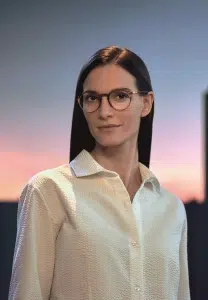
Essilor® blends state-of-the-art vision care with AI-powered technologies
It is important to choose quality lenses to ensure comfort and safety for your eyes, such as Essilor® Varilux® lenses, which offer sharp and seamless vision from near to far, even when moving, to people over 40, or Stellest® lenses, which slow the progression of myopia in children and teenagers. Essilor® is ranked number one in spectacle lenses worldwide, with over 170 years of research and innovation in visual health. My top tip for protecting your vision at every age is to get regular eye exams.
My other tips would be to follow the 20-20-20 rule: for every 20 minutes spent looking at a screen, look at something 20 feet away for at least 20 seconds. It’s also important to eat a balanced diet rich in leafy greens, nuts and oily fish. Don’t smoke, as this significantly increases your risk of several eye diseases, and wear sunglasses that block 100 percent of UVA and UVB rays. The care you give to your eyes today changes how you will see tomorrow.
