


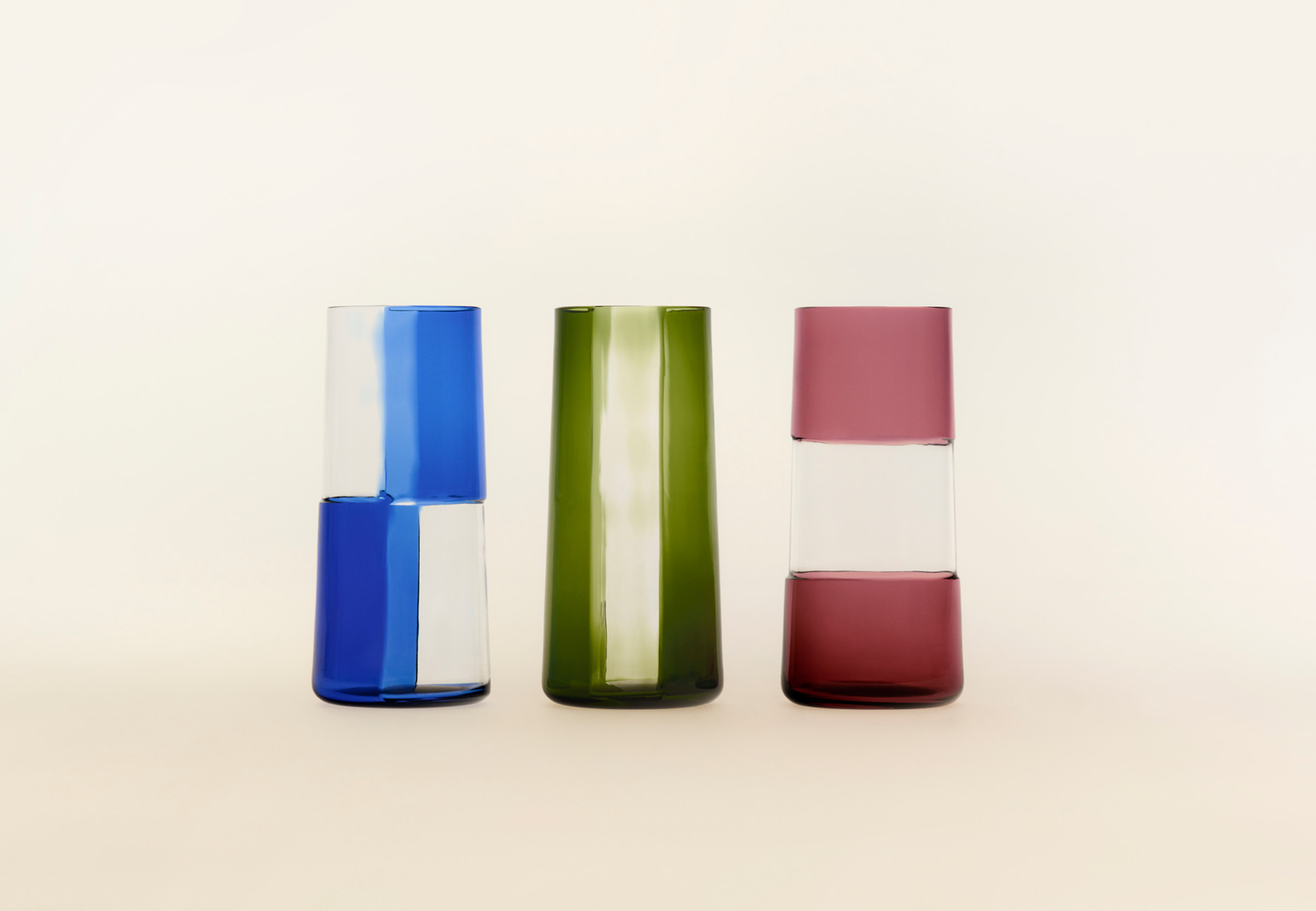
From lacquered glass tables to jewel-toned vases, the Hermès home collection delivers both rigour and playfulness
Why do some objects have an aura while others do not? This was the question guiding Charlotte Macaux Perelman and Alexis Fabry, the creative duo behind Hermès’s home division, as they curated the house’s 2025 furniture collection. The origin of the word “object”, derived from the Latin objectum – “something placed before us” – implies confrontation, a presence demanding attention.‘ An object can be an emotion,’ they say, echoing Kant’s idea that we encounter objects only as they appear to us, never in their true essence. It is this tension that gives objects the power to move us.
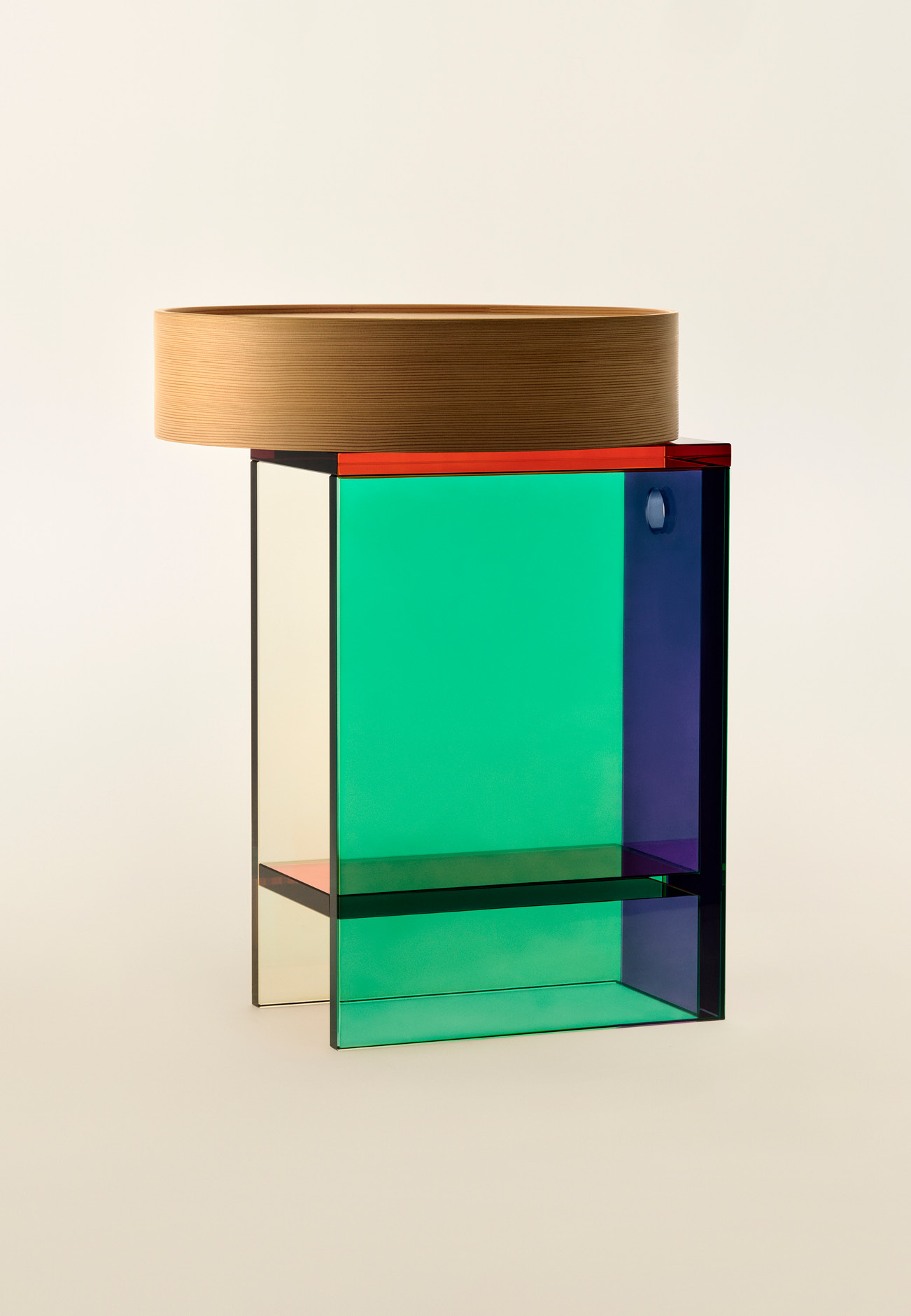
Pivot d'Hermes table
While interiors have become luxury fashion’s new frontier, Hermès has a long history in the field. Founded in 1837 as a saddle workshop and celebrated for the craftsmanship of its leather goods, the French house launched its homeware line in the 1920s. Then, Jean-Michel Frank, known for his pared-back “aesthetic of renouncement”, was invited to shape Hermès’s home sphere. Today, the line spans furniture, textiles, lighting and tabletop pieces, overseen by unconventional creative directors. ‘We’re not designers; we’re curators of Hermès Maison objects,’ says Fabry, a photography curator and co-founder of Toluca Editions, working alongside architect Macaux Perelman, whose career includes collaborations with Philippe Starck and David Rockwell.
‘We want to explore the vibration an object emits,’ they explain, reflecting on the collection unveiled at Milan Design Week in April. Among the highlights: the “Pivot d’Hermès”, a lacquered glass side-table crowned with a pivoting roundbox in Japanese cedar, designed by Tomás Alonso, a friend of the creative directors, who often invite distinguished talents to bring fresh perspectives. The piece plays with balance and movement.‘It feels as if the expertise of a tightrope walker is embodied within the object,’ says Fabry.
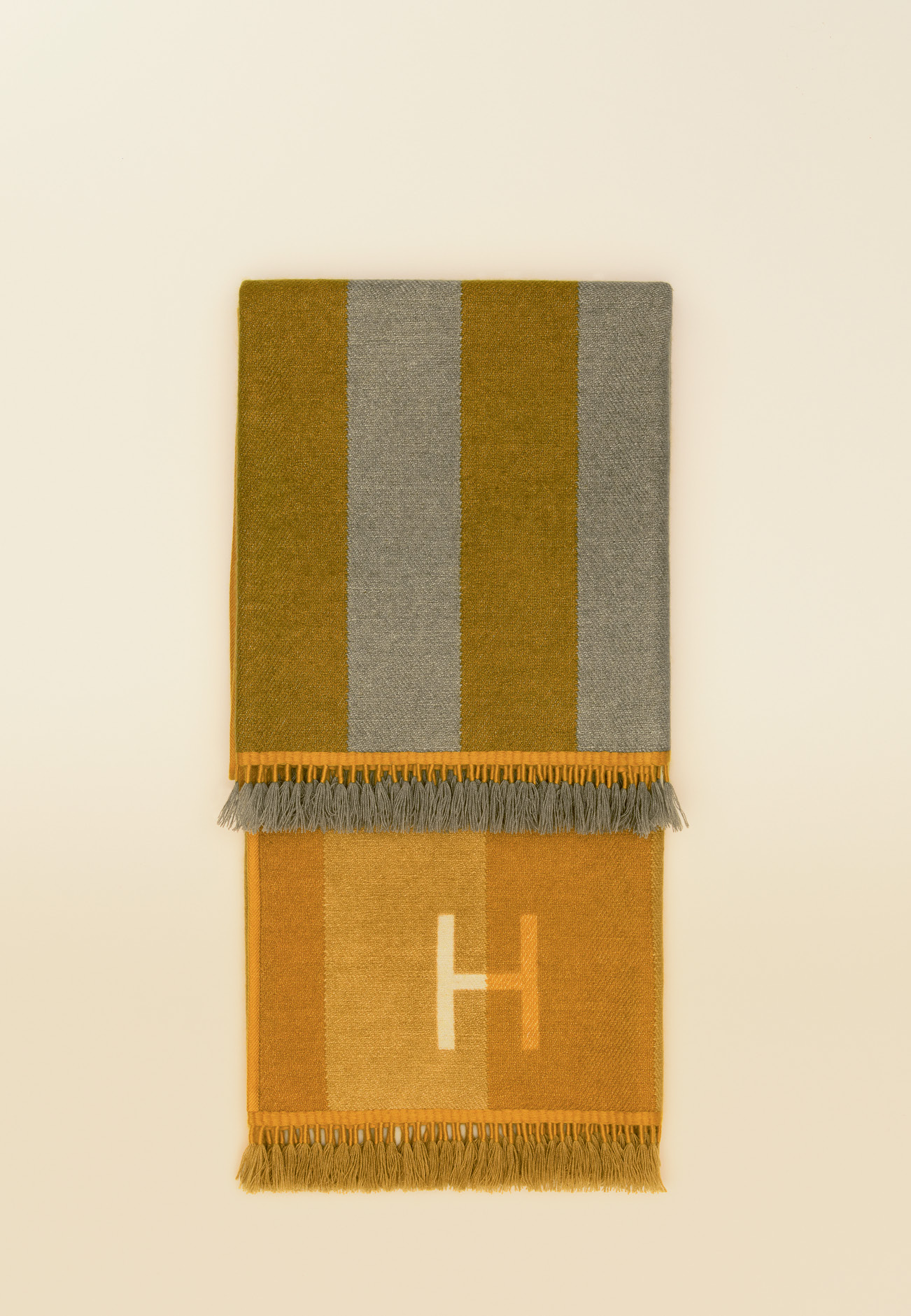
H Partition
The collection also includes mouth-blown jugs, vases and glasses in rich jewel tones, creating patterns through colour-to-clear cutting and overlays. Once filled with water they come alive, glistening into ever-changing mosaics of light.
Textiles, meanwhile, showcase the house’s mastery of craft. Hand-woven cashmere throws are enlivened by bold geometries: “Points et Plans” is animated with macro dots, while “H Partition” shimmers with a chevron motif dusted in 24k gold powder. ‘The furniture is more restrained, whereas the textiles and paper goods allow for greater fantasy,’ notes Macaux Perelman
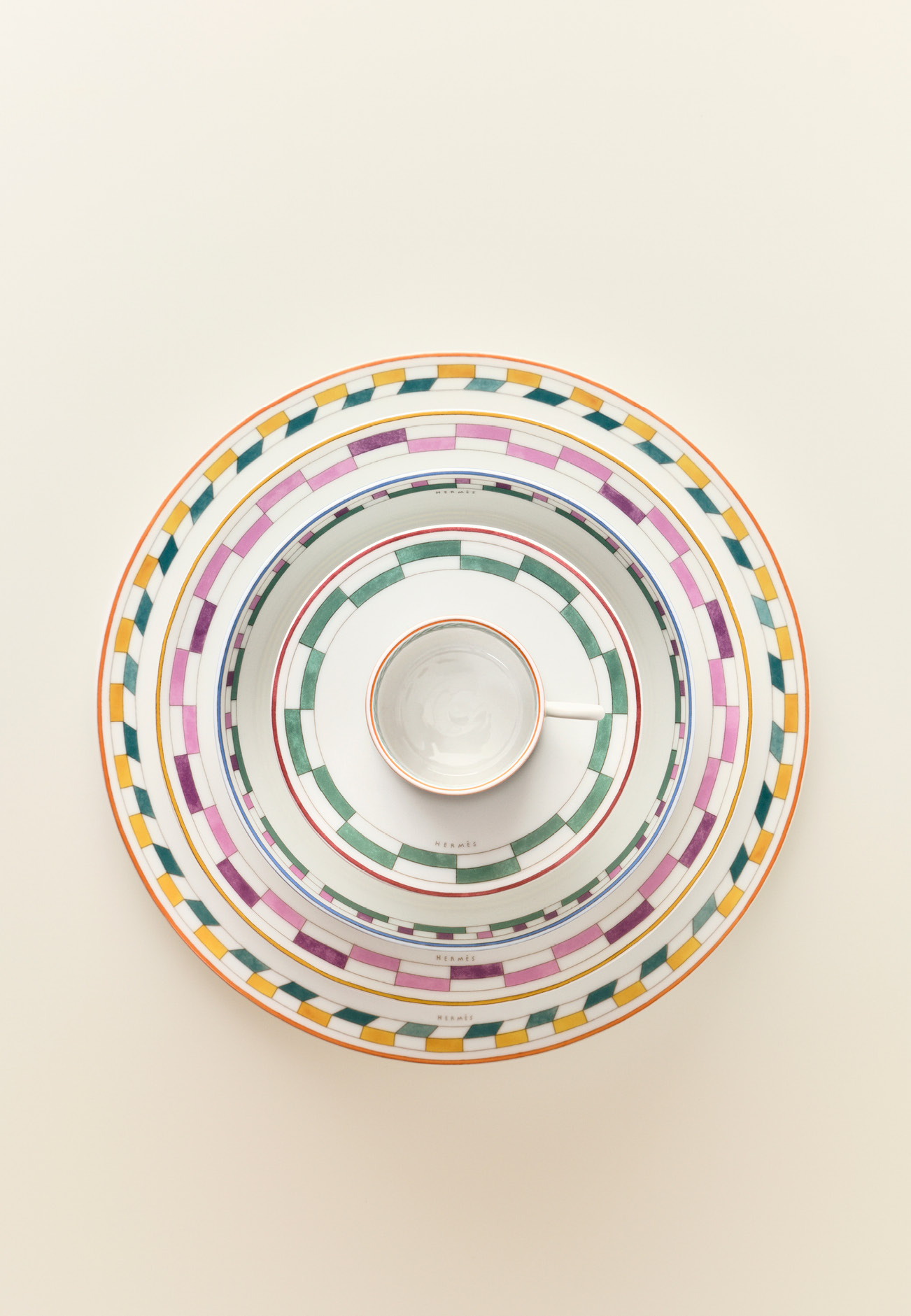
Hermès en Contrepoint dinner service
This balance of rigour and playfulness captures the house’s dual identity, at once shaped by restraint and joyful vibrancy. ‘We position our work right between these two directions,’ adds Fabry. The dialogue with Hermès’s past has been central to their approach. ‘We wanted to stay anchored in the history of the house, but not confined by it.’
What is striking, despite the diversity of objects, is their harmony. ‘We’re open to anything,’ says Macaux Perelman, grateful for the creative freedom afforded by Pierre-Alexis Dumas, artistic director of Hermès. ‘We work within certain lines, but we also like being able to cross them.’
Perhaps it is this openness that allows Hermès’s objects to radiate such magnetic energy.
