


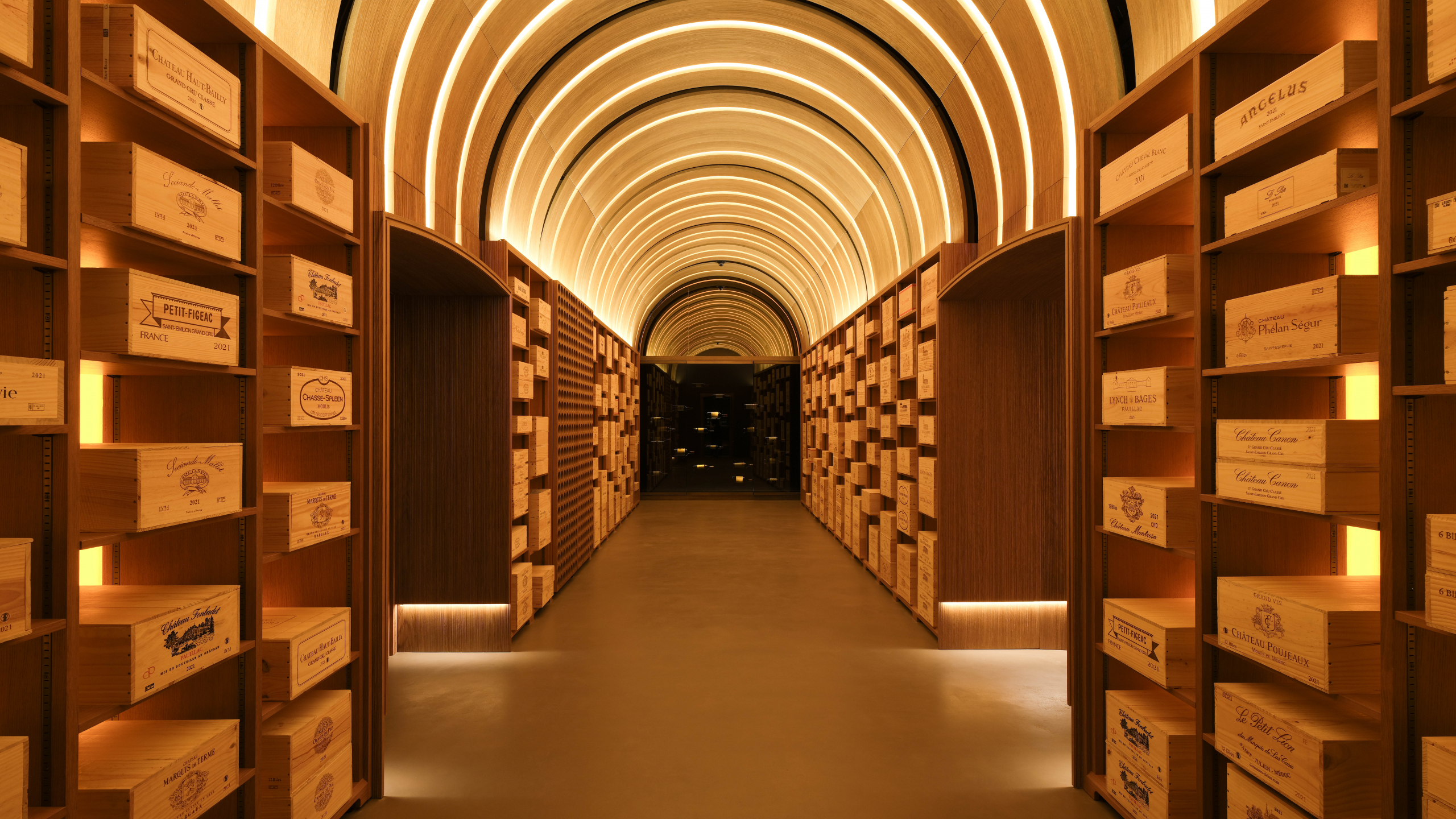
The head sommelier and director of the wine cellars at Monaco’s legendary Hôtel de Paris Monte-Carlo on provenance, under-the-radar producers and launching an exclusive new private members’ club
The wine cellars at Monaco’s iconic Hôtel de Paris Monte-Carlo are the stuff of legends. Dating back to 1874, the underground lair houses around 300,000 bottles, making it the world’s largest hotel wine cellar.
In charge of this priceless archive is sommelier and wine expert Patrice Frank. Here, he talks to Brummell about lessons learned in wine, the soul of the prestigious cellars, and launching an ultra-exclusive new private member’s club.
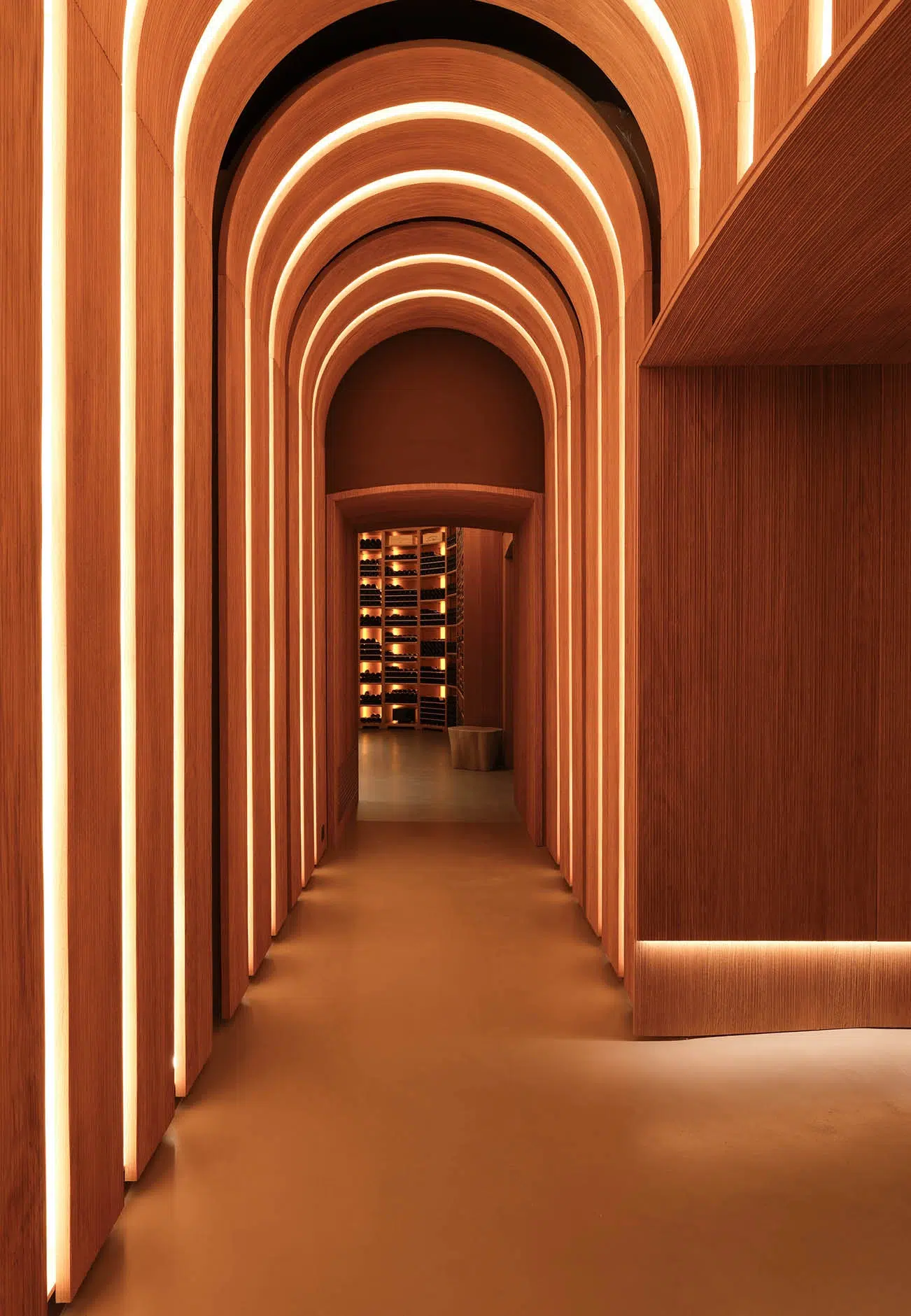
The wine cellar contains about 350,000 bottles
What is your professional background and how did you end up in the world of wine?
It started almost by accident, or perhaps by destiny. I grew up in a region where the table and the cellar are woven into everyday life, where wine is discussed with the same seriousness as art or music. After training in hospitality, I quickly realised that wine was where my true fascination lay. That alchemy between soil, climate, human hands and a vintage – it felt inexhaustible. I worked alongside great houses, travelled extensively through the vineyards of France and beyond, sharpened my palate, and eventually found my way to Monte Carlo. Joining SBM and the Hôtel de Paris felt like arriving somewhere I was always meant to be. These cellars have a soul of their own.
What’s the most important thing you have learned in your career to date?
Humility. Wine teaches you that no matter how much you know, there is always more to discover. I have tasted thousands of bottles, walked hundreds of estates, and yet a single glass can still surprise me completely. The other lesson – perhaps equally important – is that wine only truly exists in relation to people. A great bottle shared in the wrong moment, with the wrong company, is somehow diminished. Context is everything. My role is not simply to select wines; it is to orchestrate encounters between a bottle and a person at precisely the right moment in their life.
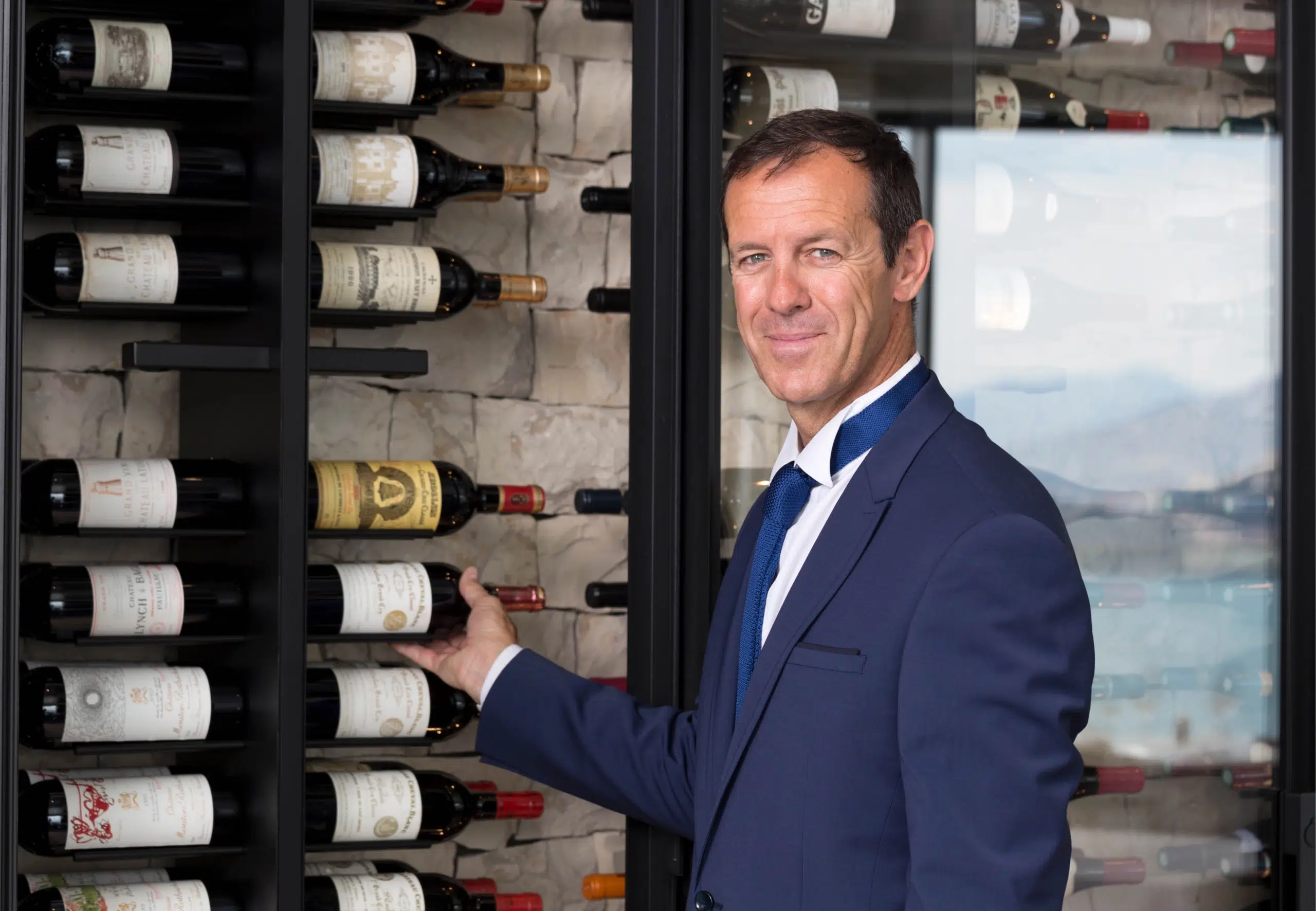
Patrice Frank is the sommelier and wine expert at Monaco’s iconic Hôtel de Paris Monte-Carlo
What was the motivation behind launching the new private members’ club at Hôtel de Paris’ famed wine cellars? And what does membership entail?
The cellars of the Hôtel de Paris are one of the great secrets of Monaco and we felt it was time to open that secret to a select few who truly deserve access to it. The motivation was simple: to create a space where passion for wine becomes a way of life, not merely an occasional indulgence. Members gain privileged access to the cellars themselves, to private tastings curated around exceptional verticals, to dinners hosted among the bottles with our culinary teams. But beyond the tangible benefits, what membership really offers is a sense of belonging to something rare. You become part of the living history of this place. That is not something you can simply purchase off a menu.
With a collection that spans both historic and contemporary producers, how do you decide which wines belong in a cellar that’s as much about legacy as it is about evolution?
The cellar must breathe, it cannot be a museum. Yes, we are the guardians of extraordinary historic bottles, some dating back well over a century, and that responsibility weighs on you in the most wonderful way. But a cellar that only looks backwards becomes a relic. My guiding principle is coherence: every wine that enters must have a legitimate conversation with what is already here. That might be a Burgundy grand cru that honours a tradition we have championed for decades, or it might be a natural producer from an emerging appellation whose work speaks to where fine wine is heading. The common thread is always quality, rigour, and a story worth telling.
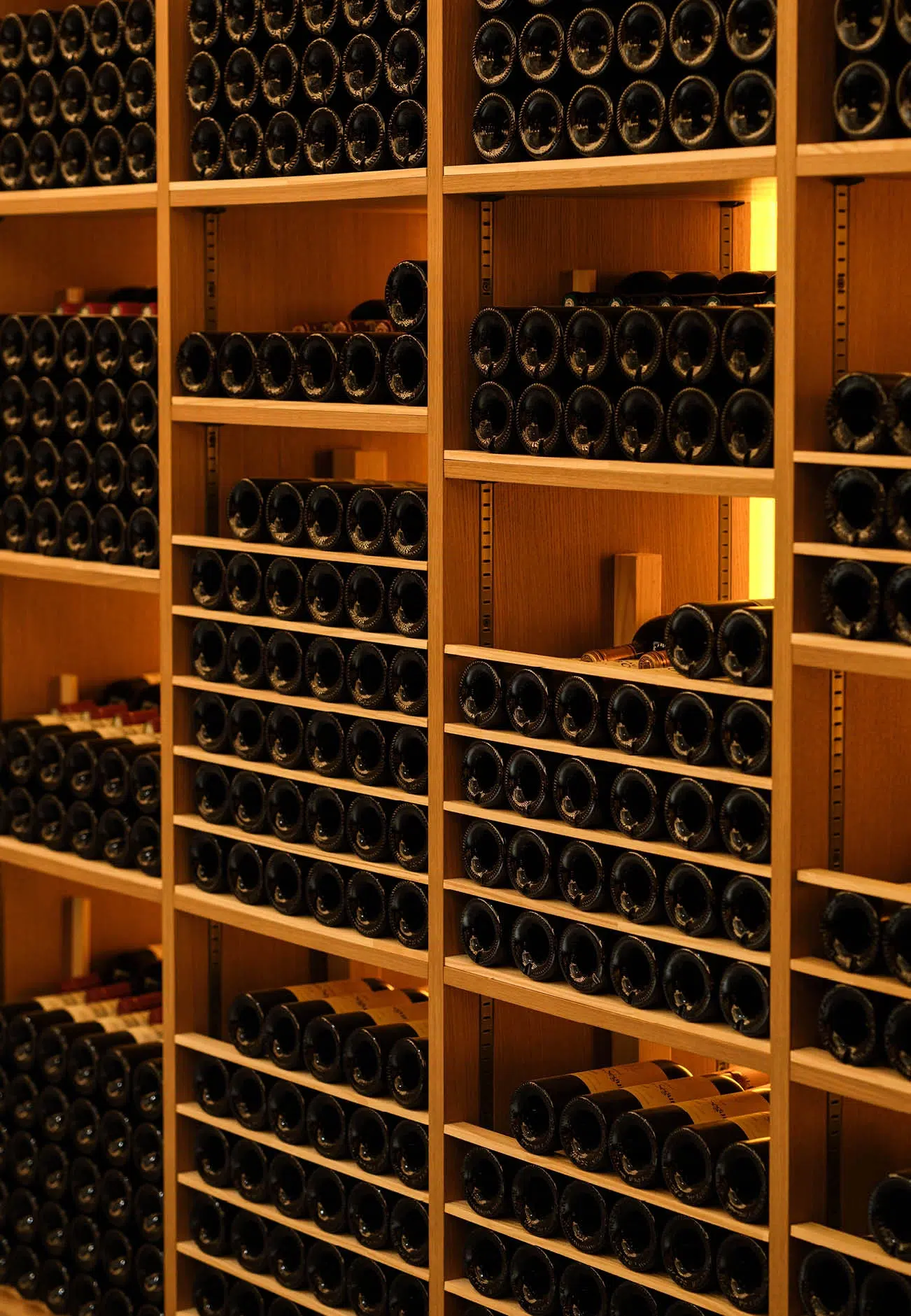
The cellar represents five main French regions: Champagne, Provence, Bordeaux, Burgundy and the Rhône valley
Do you have any personal highlights from the vast collection?
There are bottles here that genuinely move me each time I walk past them. A complete vertical of Pétrus going back to the 1940s. Certain magnums of Romanée-Conti that have never left these walls. But, if I am honest, my most personal highlight is not a single bottle, it is a moment. Some years ago, I opened a 1961 La Mission Haut-Brion for a guest who had first tasted that same wine with his late father decades earlier. Watching his expression as the memory came back through the glass, that is what these cellars are truly for. No inventory number captures that.
Looking ahead, how do you see the definition of “fine wine” evolving, especially with changing climates, new regions gaining prominence, and shifting tastes among collectors?
The definition is already shifting, and I welcome it. Climate change is an undeniable reality. Certain appellations are producing wines today that would have been unrecognisable 30 years ago, while new regions in England, Scandinavia, even parts of Asia, are producing bottles of genuine distinction. The collector of the next generation is more curious, less dogmatic. They are not simply buying labels or investment vehicles; they want provenance, authenticity, a human story behind the wine. I think “fine wine” will increasingly mean wine made with exceptional care and integrity, regardless of postcode. The hierarchy is not disappearing, but it is becoming more democratic in the most positive sense.
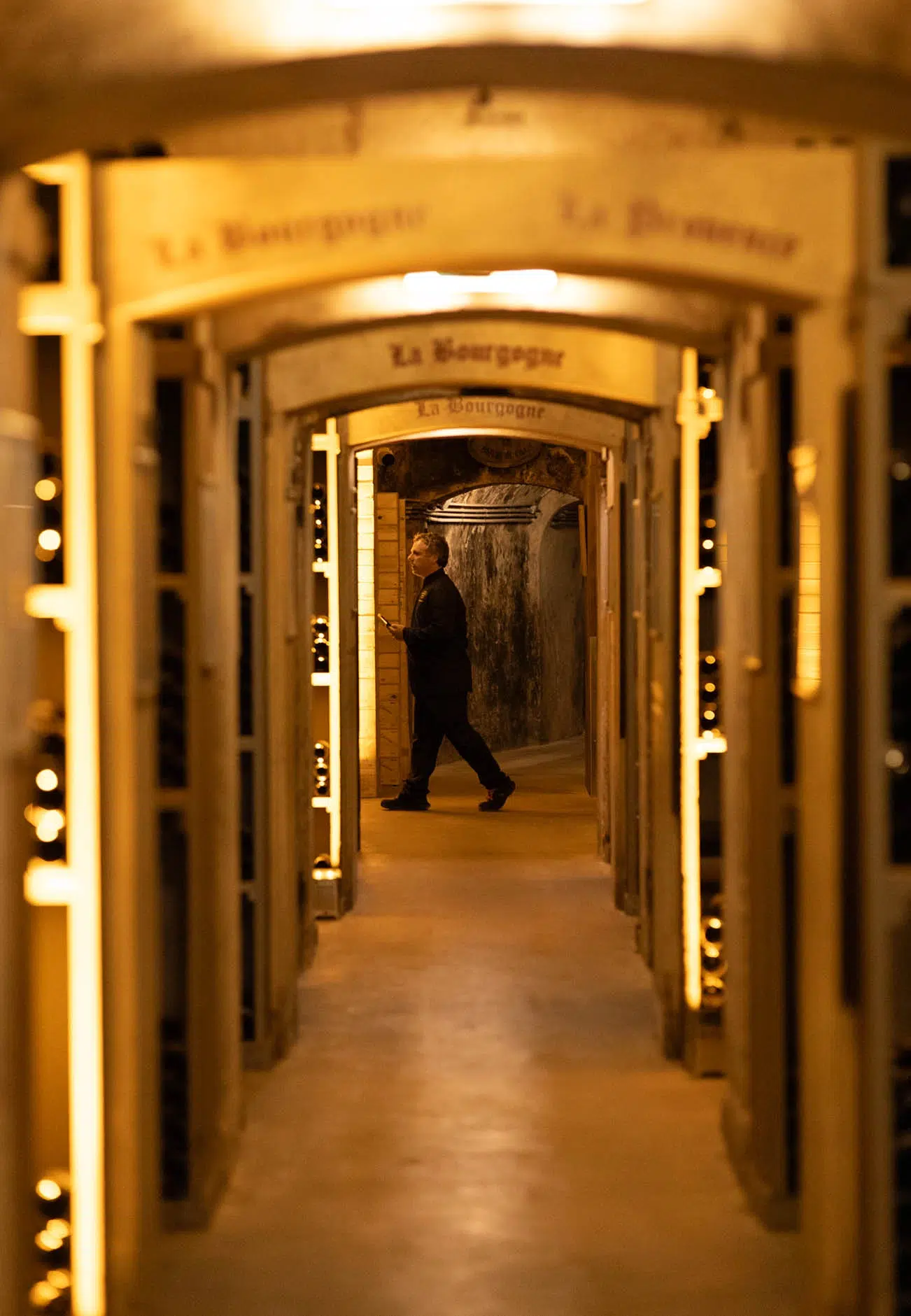
There are approximately 6,000 varieties of wine in the cellar of the Hôtel de Paris Monte-Carlo
Having been at the heart of the wine scene for over two decades, what is the most significant shift in customer preferences you have noticed in Monaco, particularly regarding foreign wines versus traditional Bordeaux/Burgundy?
Monaco has always been a crossroads, and that is reflected in how our guests drink. Two decades ago, the conversation was almost entirely dominated by the great Bordeaux châteaux and the grand crus of Burgundy and rightly so – they remain the pillars of this cellar. But today’s client is genuinely global in their curiosity. We see extraordinary enthusiasm for aged barolo, for the great whites of Alsace, for champagne beyond the familiar grandes maisons, for Spanish wines of real complexity. There is also a growing appetite for the wines of our immediate region: Provence, the Rhône Valley, which perhaps reflects a broader cultural shift towards provenance and a sense of place. Bordeaux and Burgundy have not lost their authority; they have simply gained company.
Which emerging grape variety or wine region do you believe is most deserving of a place on a luxury wine list – and why?
I would point to the Jura, a region that has been producing wines of extraordinary character for centuries, yet remains criminally underrepresented on the lists of great establishments. The oxidative whites from Savagnin, the singular Vin Jaune, the delicate poulsard reds – these are wines of immense personality and intellectual depth. They demand attention and reward patience, which is precisely the kind of relationship a serious wine lover seeks. Beyond France, I am watching Georgia with great interest – the ancient qvevri tradition there produces wines unlike anything else in the world, and the finest examples have a complexity that deserves to sit alongside the classics. The luxury wine world has always celebrated rarity and these regions offer exactly that.
Patrice Frank is head sommelier and director of the wine cellars at Hôtel de Paris Monte-Carlo, SBM Group; montecarlosbm.com
