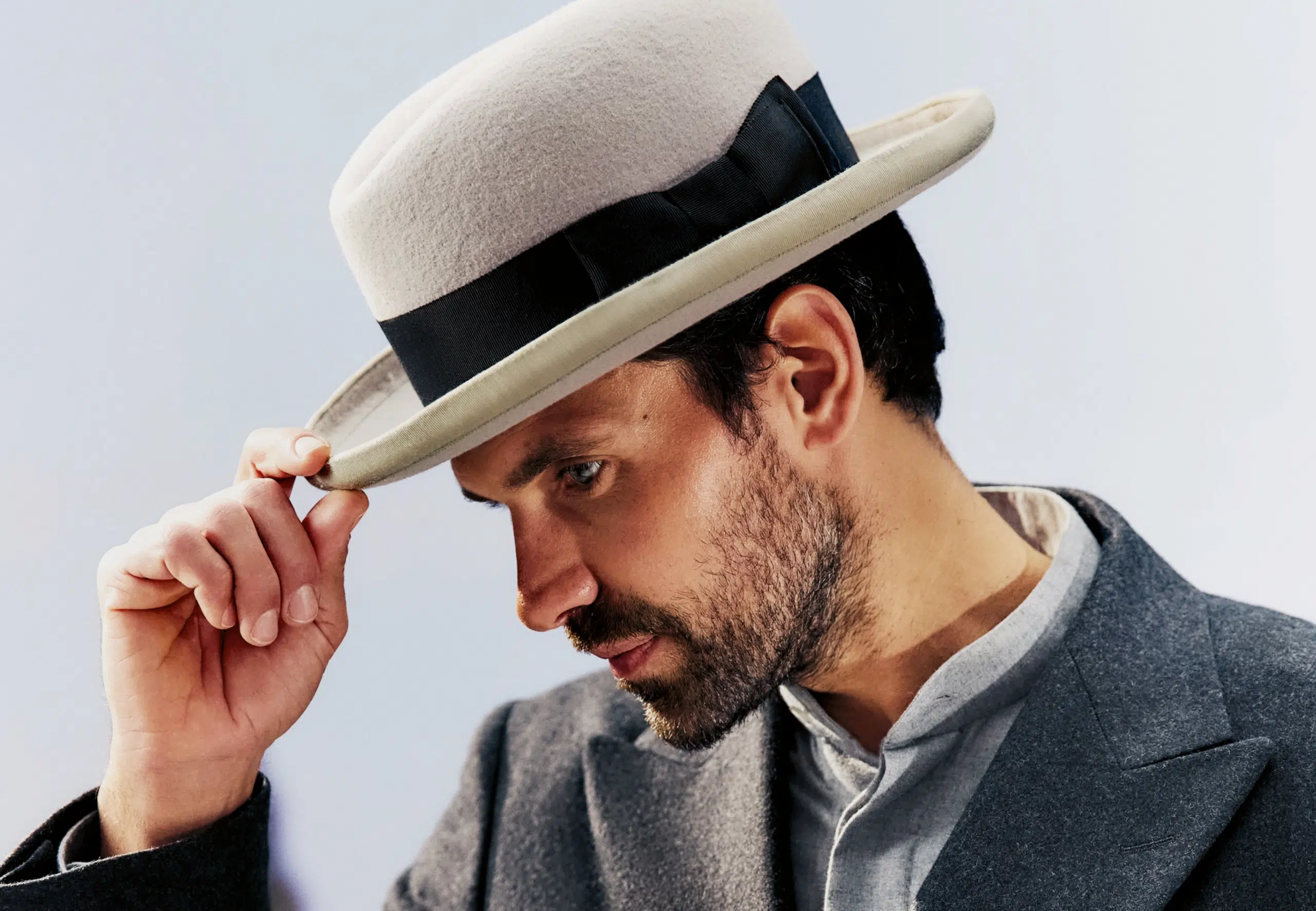
Brummell steps inside the world’s oldest hat shop to discover how a family business founded in 1676 continues to define style, while defying the odds
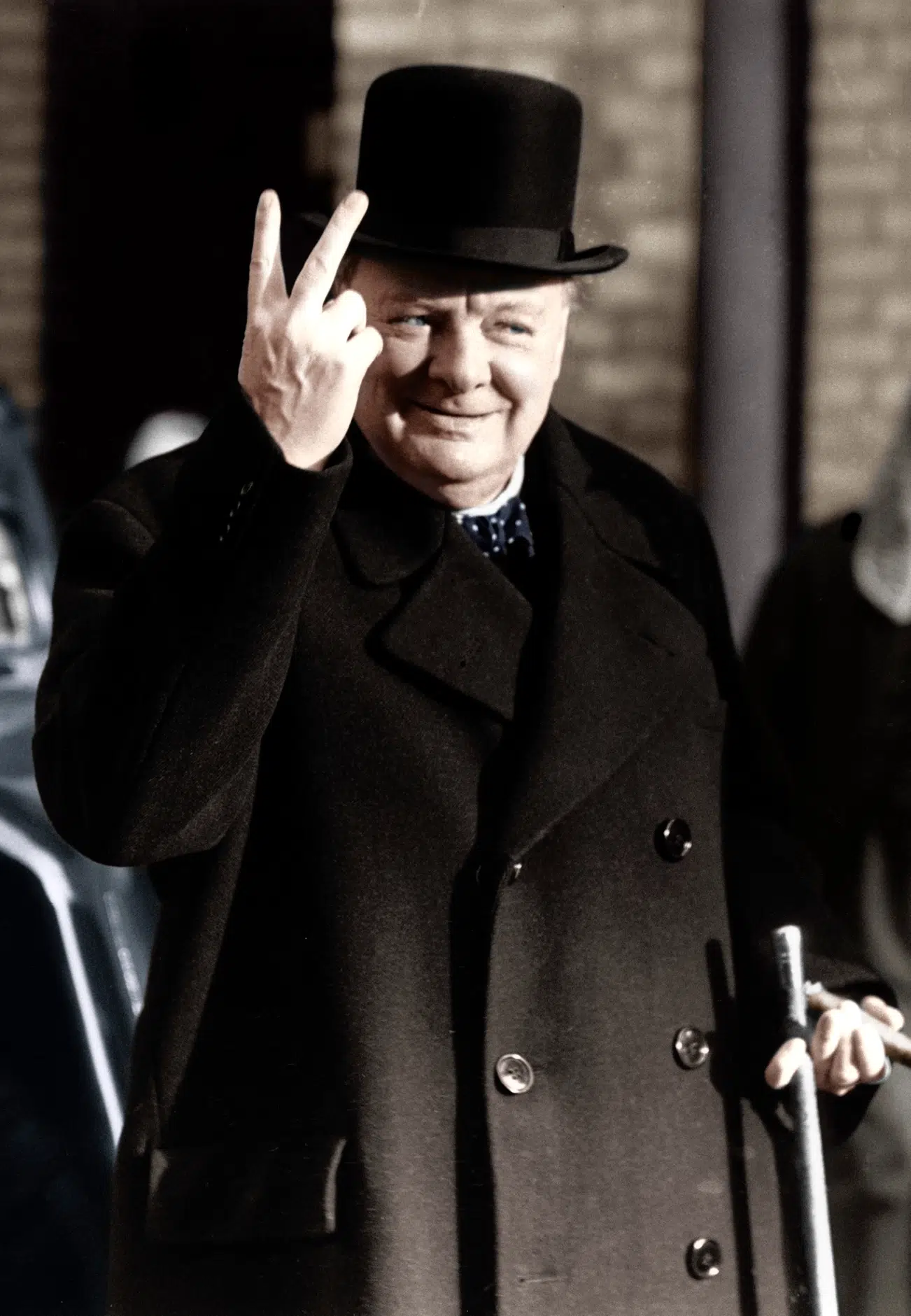
Winston Churchill was a regular customer of Lock & Co and inspired some of today’s designs.
The intrepid Scottish photographer John Thomson’s Street Life in London beautifully presents photographs he took of everyday scenes in the capital from the 1870s.
From recruiting sergeants in uniform outside a pub to impoverished street musicians, the images chronicle a very different time in the city. One aspect stands out above all others – not a single man is without some form of headwear.
From dandy to delivery boy, a man’s head is crowned by a hat. In Victorian Britain, to not cover one’s head was unthinkable. Going hatless was a sign of poverty, lack of respectability or plain madness.
For nearly two centuries before Thomson raised his camera to his keen eye, one London address had been responsible for maintaining this social etiquette – Lock & Co Hatters at No 6 St James’s Street.
This year, the world’s oldest-running hat shop turns 350. From the reign of Charles II to that of Charles III, Lock & Co has served London and the world from the same modest Mayfair premises, surviving wars, recessions and revolutions of taste.
It is one of Britain’s longest continually operating family businesses and still holds Royal Warrants, most recently from King Charles III.
In an era in which the vast majority of men don’t wear a hat from day to day, the fact that Lock & Co still flourishes is testament to the quality of the products it crafts. Buying a Lock & Co hat today is not only to invest in a piece of wearable history, it is also to champion the endurance of artisanal craftsmanship
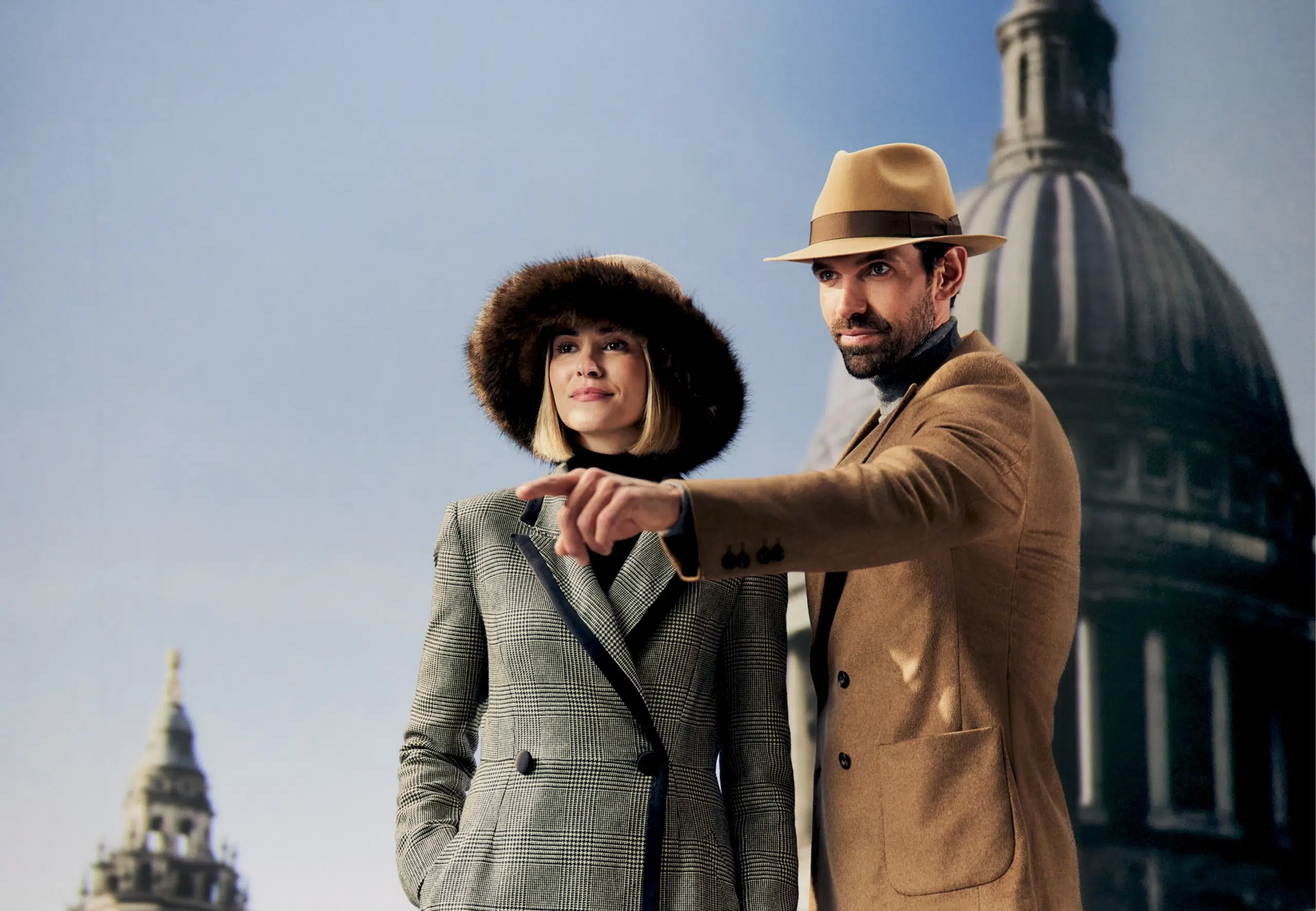
Lock & Co. women’s Estate Hat in a British Wool Tweed & Faux Fur edge in brown, £495.00
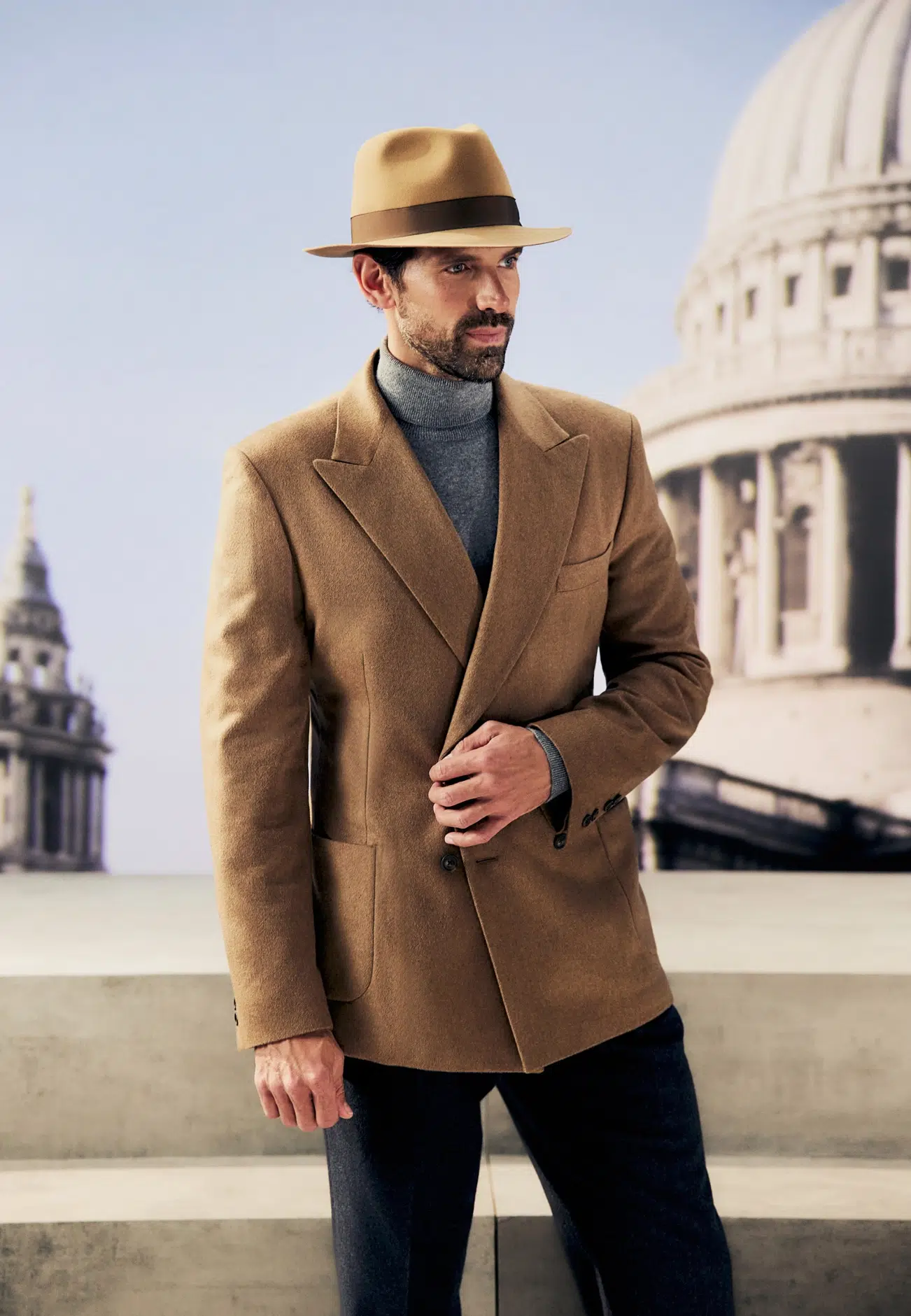
Lock & Co. St James Felt Fedora in beige fur felt with brown grosgrain ribbon, £965.00
I suspect that when Robert Davis opened a small hat shop on St James’s Street in 1676, his aims were quite straightforward – to produce enough high-quality hats for gentlemen so as to pay the bills and make a modest profit. He would not have considered the next month, let alone the next 350 years. In 1759, James Lock married into the Davis family and, by 1765, the Locks had crossed the road to the present site at No 6, and it was, and still is, there that the legacy was built.
Admiral Lord Nelson stepped through the door in 1800 to order his signature bicorne “7 ⅛th full” with eyeshade. In 1849, the firm created the Coke (better known as the bowler) for Edward Coke, a hat so practical, it became the uniform of the City and the Empire. Indeed, the roll call of famous wearers reads like a who’s who of British style: Beau Brummell, Oscar Wilde, Winston Churchill (who wore his silk top hat on his wedding day), Charlie Chaplin, Vivienne Westwood and, more recently, David Beckham and Samuel L Jackson on the Kingsman set.
Jacqueline Kennedy chose Lock for her pillbox; James Bond films have featured them. Yet, heritage and fame can only get you so far – longevity depends on the quality of a product and a firm’s ability to adapt with the times.
That’s what sets Lock & Co apart – its rare blend of continuity and subtle innovation. The team of 34 – including master hatter Jayesh
Vaghela and head millinery designer Awon Golding – to this day handcrafts every piece using techniques unchanged for generations. Managing director Ben Dalrymple, who has overseen the shop for nine years, captures the ethos perfectly: ‘We preserve centuries-old craftsmanship while constantly pushing for innovations that will take us forward, hopefully for another 350 years.
For 2026, the celebrations are suitably special. Exclusive limited-edition men’s and women’s hats and caps will launch each month, alongside the seasonal collections, accompanied by events, surprises and a sense of occasion befitting three-and-a-half centuries of service. In an age when so many heritage names chase relevance, Lock & Co simply continues doing what it has always done: making the very best hats money can buy.