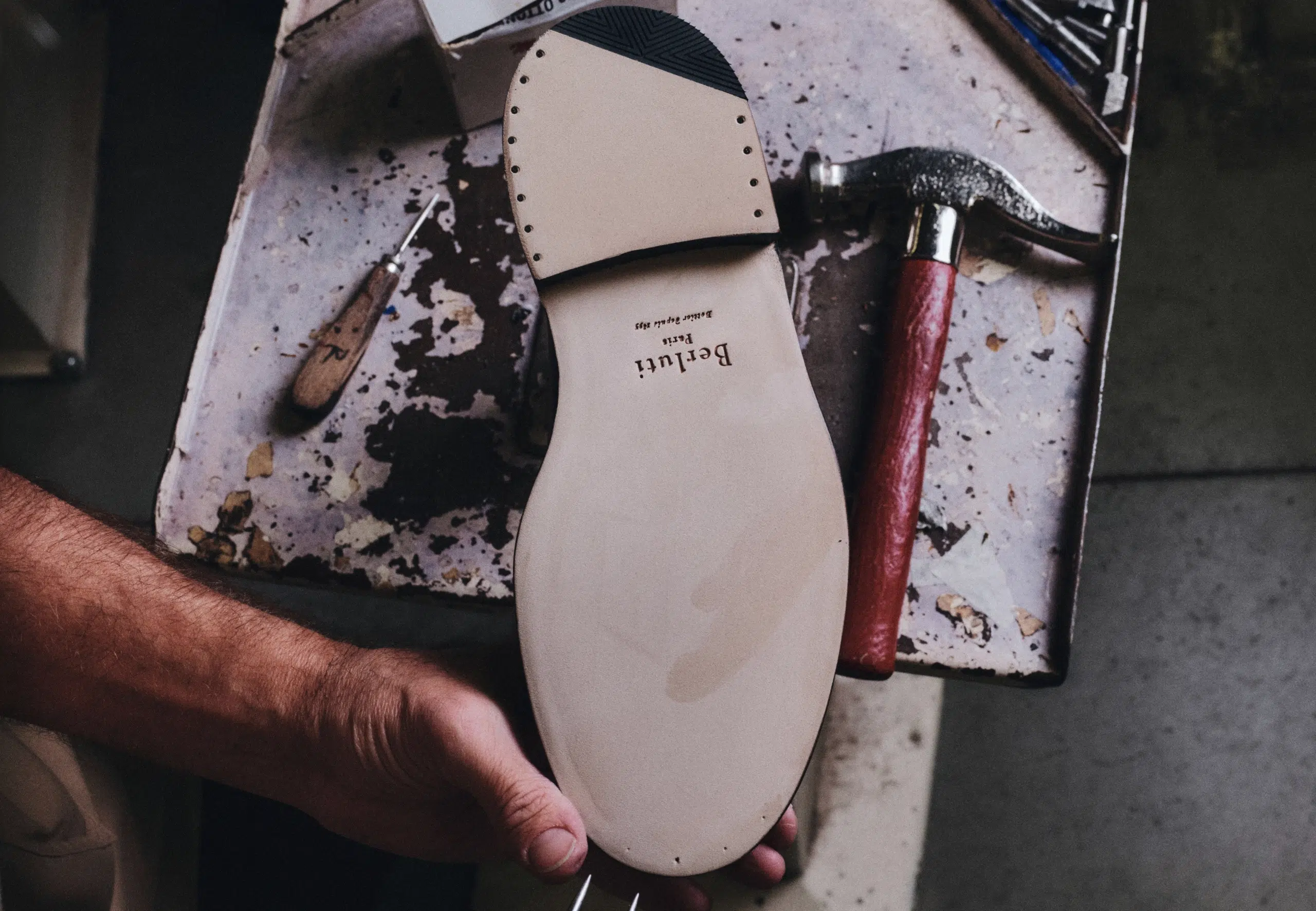
Maison Berluti is revisiting its original Oxford lace-up with a fresh design
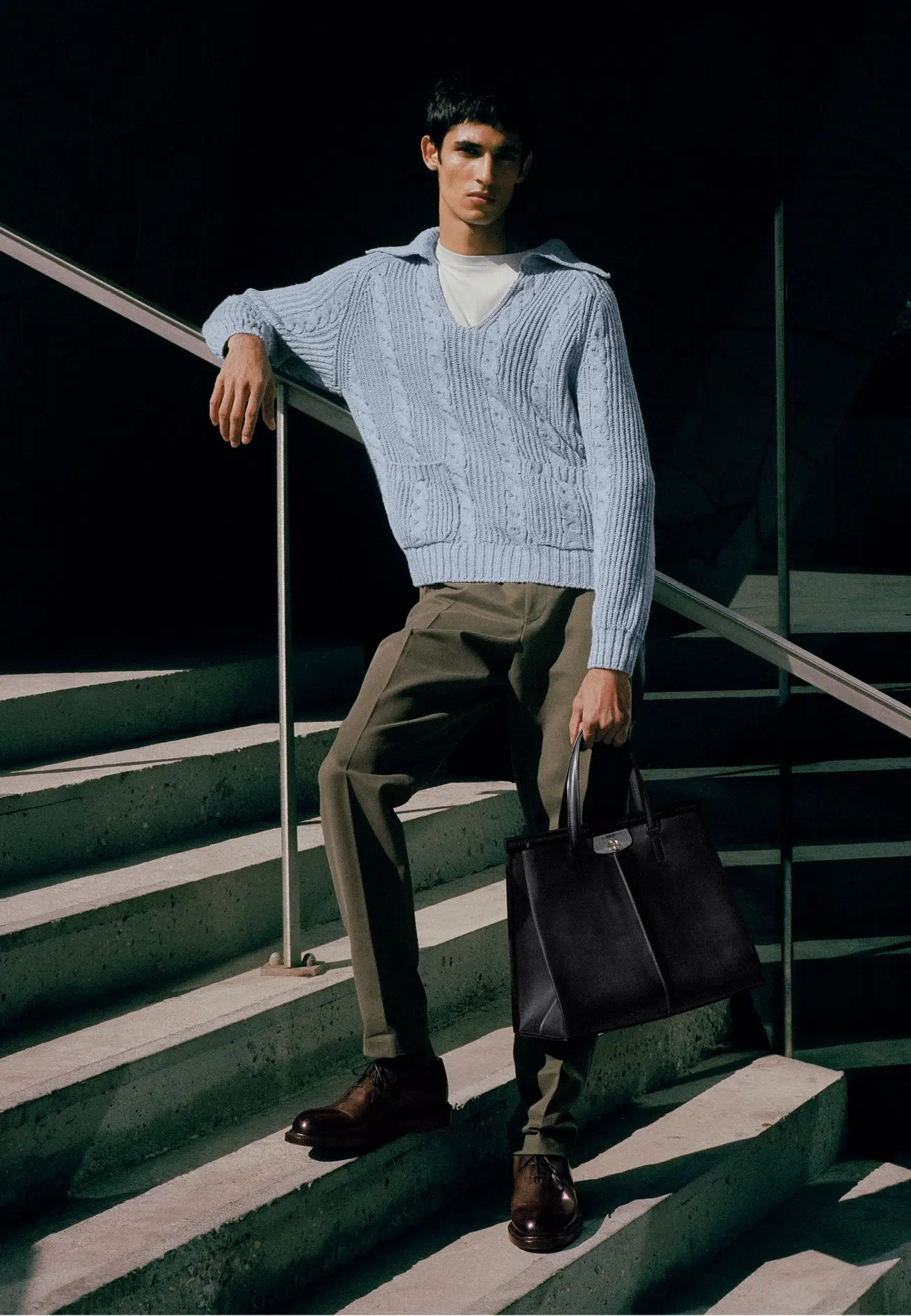
Alessandro 1895 Oxford, £2,270
Shoes are an extension of the person who wears them, both revealing and expressing who they are,’ says Olga Berluti, the third generation of the shoemaking dynasty founded by her great-uncle Alessandro at the close of the 19th century.
Established in 1895, the company has built an international reputation for exquisitely handcrafted footwear that combines traditional savoir-faire with contemporary elegance.
Over 130 years later, the same commitment to quality continues to shape the house’s latest release: the Alessandro 1895, a modern reinterpretation of Berluti’s most emblematic shoe and a tribute to the craftsmanship that has defined its DNA.
Inspired by his father’s vision, Torello Berluti opened the first Berluti boutique just off Place Vendôme in 1929 and created a design that was both understated and radical, naming it in honour of Alessandro.
Cut from a single piece of leather and distinguished by only three sets of eyelets, the shoe was remarkable for its absence of visible stitching. Its pared-back silhouette became an emblem of modern masculinity, establishing the template for later Berluti designs.
‘The Alessandro is the Maison’s iconic shoe – a style that embodies the original shape and character established at the founding of the House, while reflecting the evolution of its craftsmanship and shoemaking expertise over time,’ a spokesperson says.
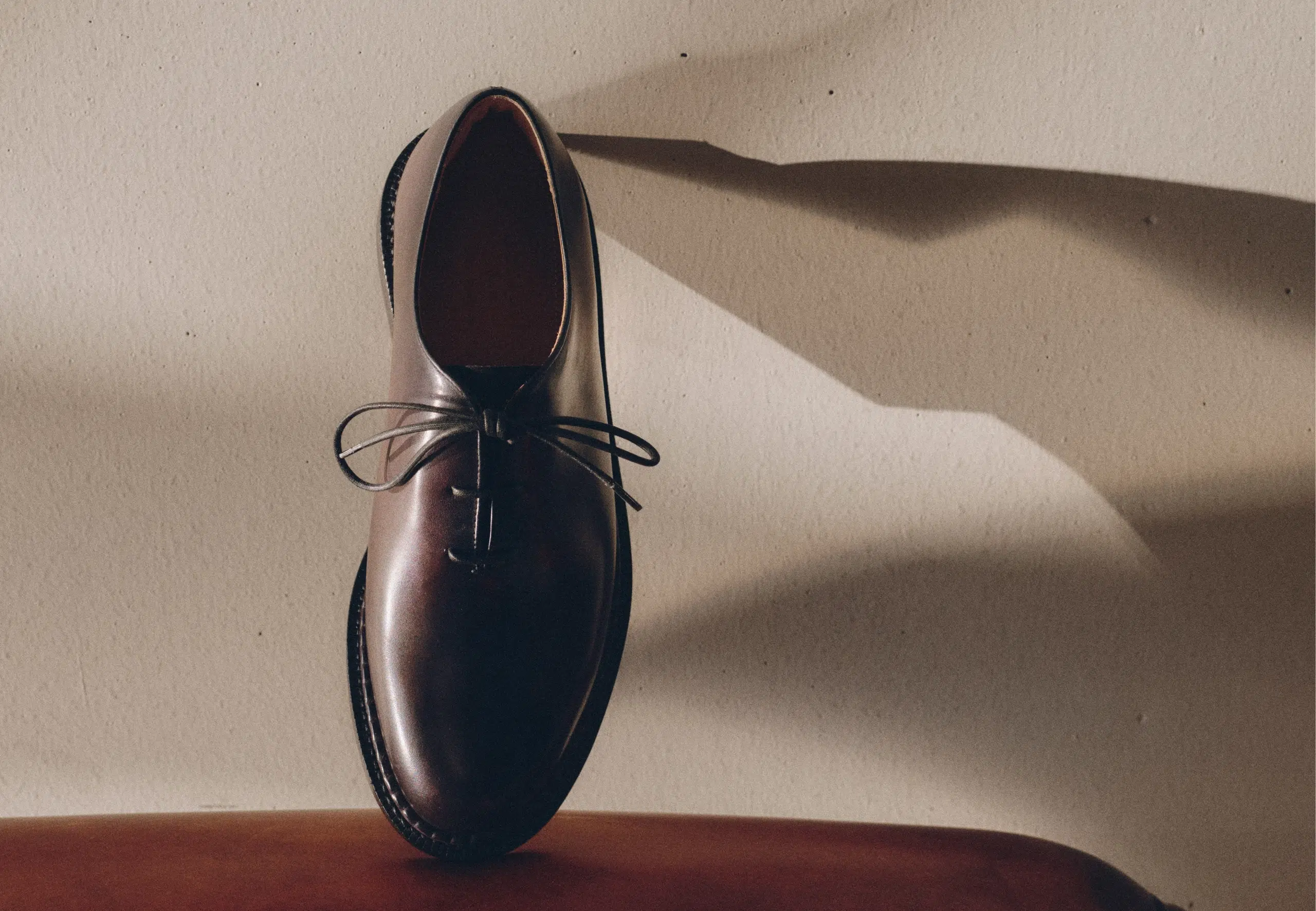
The brand-new design features a thick leather outsole, which is lighter and more flexible
While preserving the purity of the original design, the new model has been subtly reworked for contemporary wear. A thicker leather outsole and padded heel offer greater comfort, while softer leather lends fluidity to the shoe’s austere profile without compromising its architectural elegance.
The Alessandro 1895 also retains its Goodyear construction, ensuring durability, water resistance and ease of resoling. ‘Reimagining the Alessandro 1895 was a natural progression and a tribute to the legacy of the Maison,’ Berluti adds.
That emphasis on craft can be traced back to Alessandro Berluti himself. Curiously, the man who laid the foundations of one of the world’s most celebrated shoemaking houses did not begin his career as a cobbler. Raised in a family of farmers in central Italy, the young Alessandro was initially drawn to woodworking and carpentry, crafting barrels and carriages.
Marche region – long regarded as one of Italy’s great centres of leather craftsmanship and shoemaking – he came into contact with local masters for whom he supplied wooden lasts.
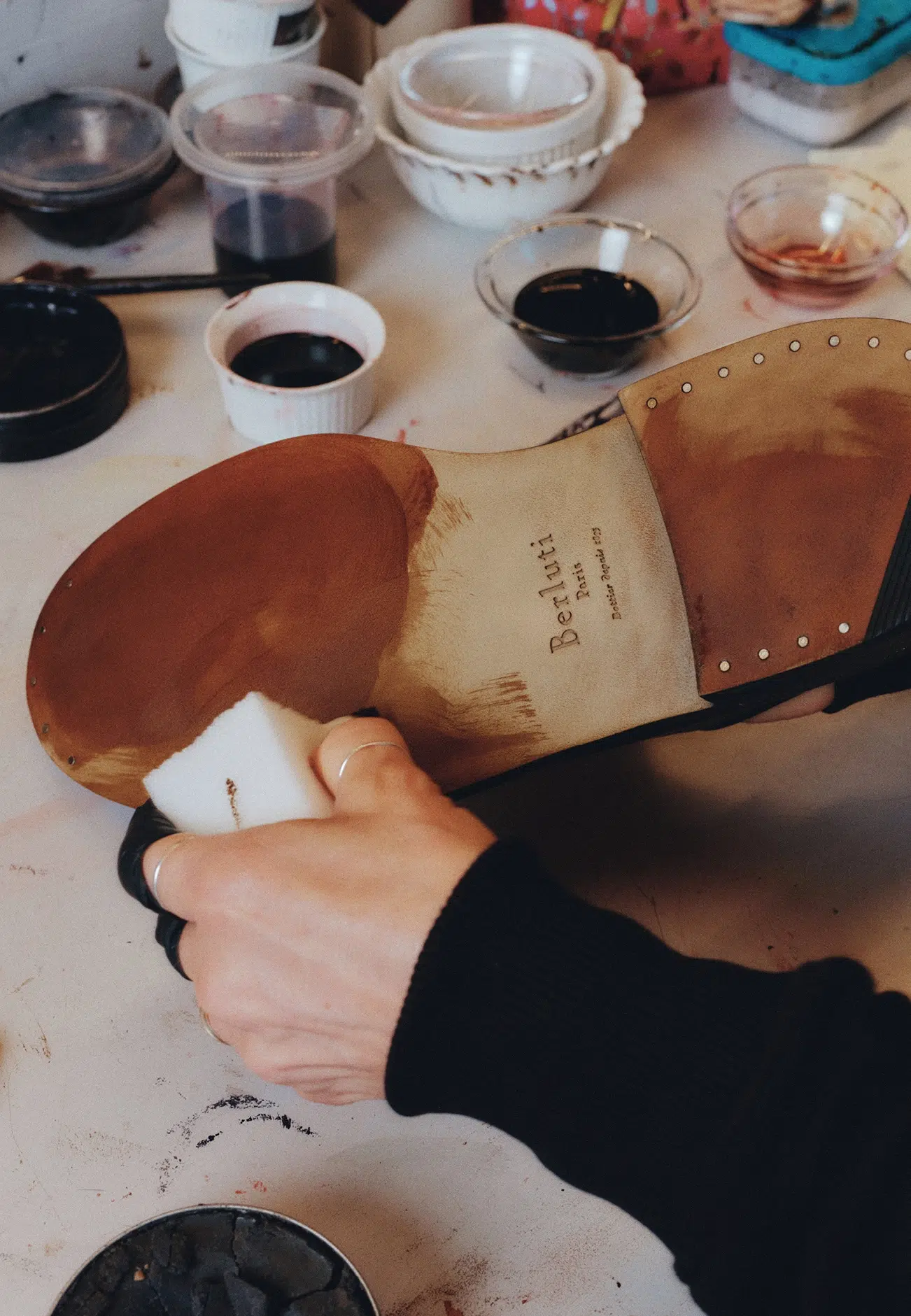
Berluti shoes are skillfully crafted from leather
The Alessandro 1895 is crafted in Berluti’s signature Venezia calfskin, an innovation introduced by Olga Berluti in the early 1990s that remains central to the house’s identity. Carefully selected full-grain hides undergo a double-tanning process using mineral salts alongside natural extracts from chestnut trees and black wattle.
The resulting leather is prized for its suppleness and depth, providing the ideal canvas for Berluti’s celebrated patina techniques. Introduced by Talbinio Berluti and later refined by Olga, the process involves the painstaking application of translucent layers of pigment to
create extraordinary depth and luminosity.
No two pairs develop in quite the same way, with each shoe evolving uniquely over time. Olga Berluti also expanded the traditionally conservative palette of men’s footwear, introducing unexpected shades of aubergine, forest green, deep blue and ochre alongside classic black and brown.
According to house lore, the finishing touch involves a few drops of Dom Pérignon rosé – one of Olga’s not-so guarded secrets.
For Berluti, however, craftsmanship is notsimply a matter of heritage, but of continuity. This commitment is embodied by the Manifattura, the brand’s production hub in Ferrara. There, initiatives such as the Academy of Savoir-Faire – an in-house educational programme – ensure traditional techniques are passed on to the next generation of craftspeople.