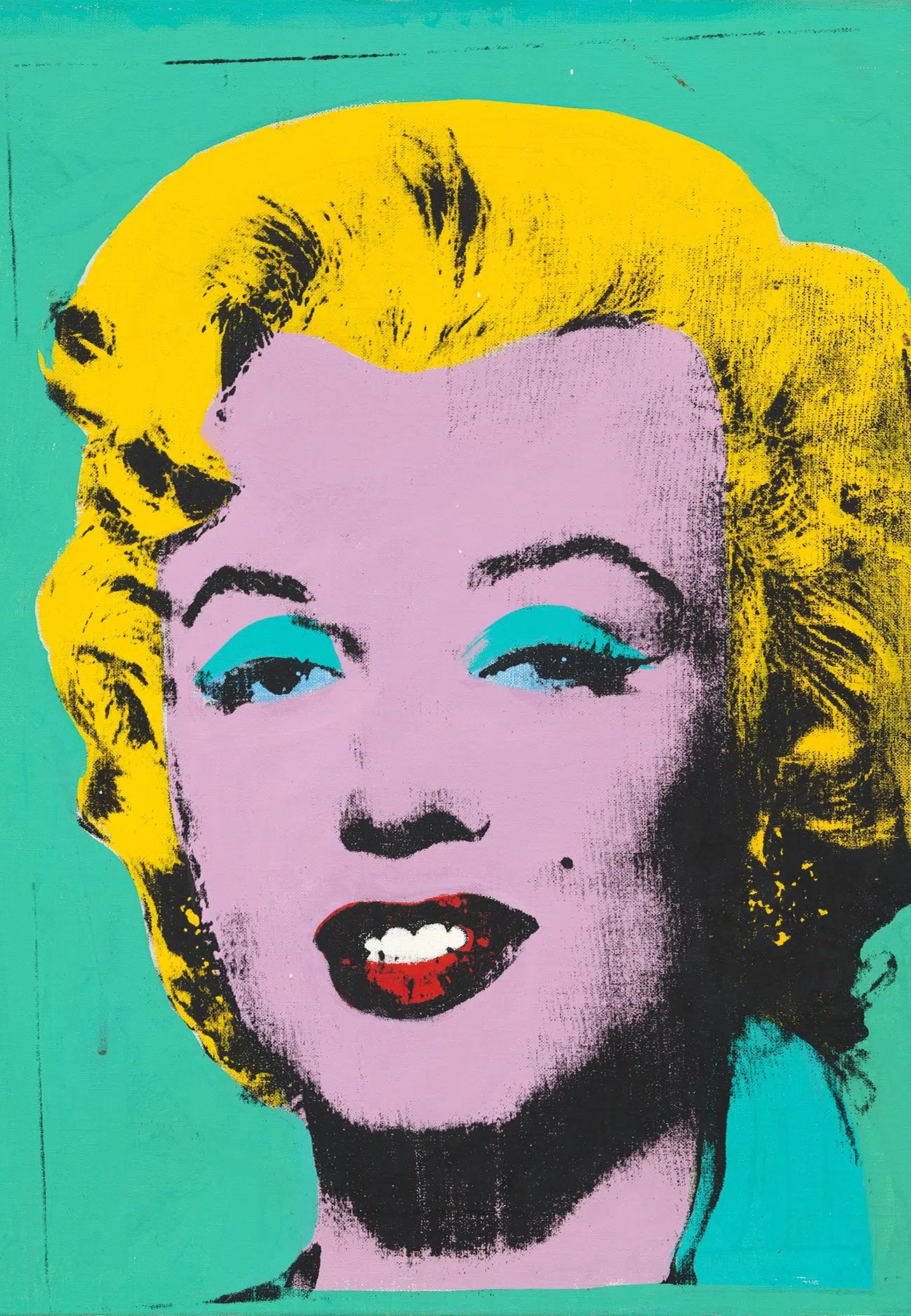
Green Marilyn, 1962, by Andy Warhol, © 2026 The Andy Warhol Foundation for the Visual Arts, Inc. / Licensed by DACS, London, National Gallery of Art, Washington. Gift of William C. Seitz and Irma S. Seitz.
It took just four minutes for an Andy Warhol silk-screen of Marilyn Monroe’s face to achieve the highest price for any American work of art at auction. When Shot Sage Blue Marilyn sold to an unknown buyer for $195m at Christie’s in New York in 2022, the auction house’s global president Alex Rotter said that it was the ‘absolute pinnacle of American Pop and the promise of the American dream, encapsulating optimism, fragility, celebrity and iconography all at once’.
Warhol created the work in 1964 as a response to Monroe’s death two years earlier, apparently after a lethal dose of sleeping pills (conspiracies still abound). Although only 36 when she died, Monroe had been directed by the likes of Billy Wilder in Some Like It Hot and John Huston in The Misfits, her final film.
She had held her own alongside all-time greats such as Bette Davis and Jack Lemmon. As charismatic as any actor before or since, Monroe could do pretty much anything on screen, excelling at comedy, satire and pathos. In what might ultimately have been her undoing, she also allowed herself to be vulnerable.
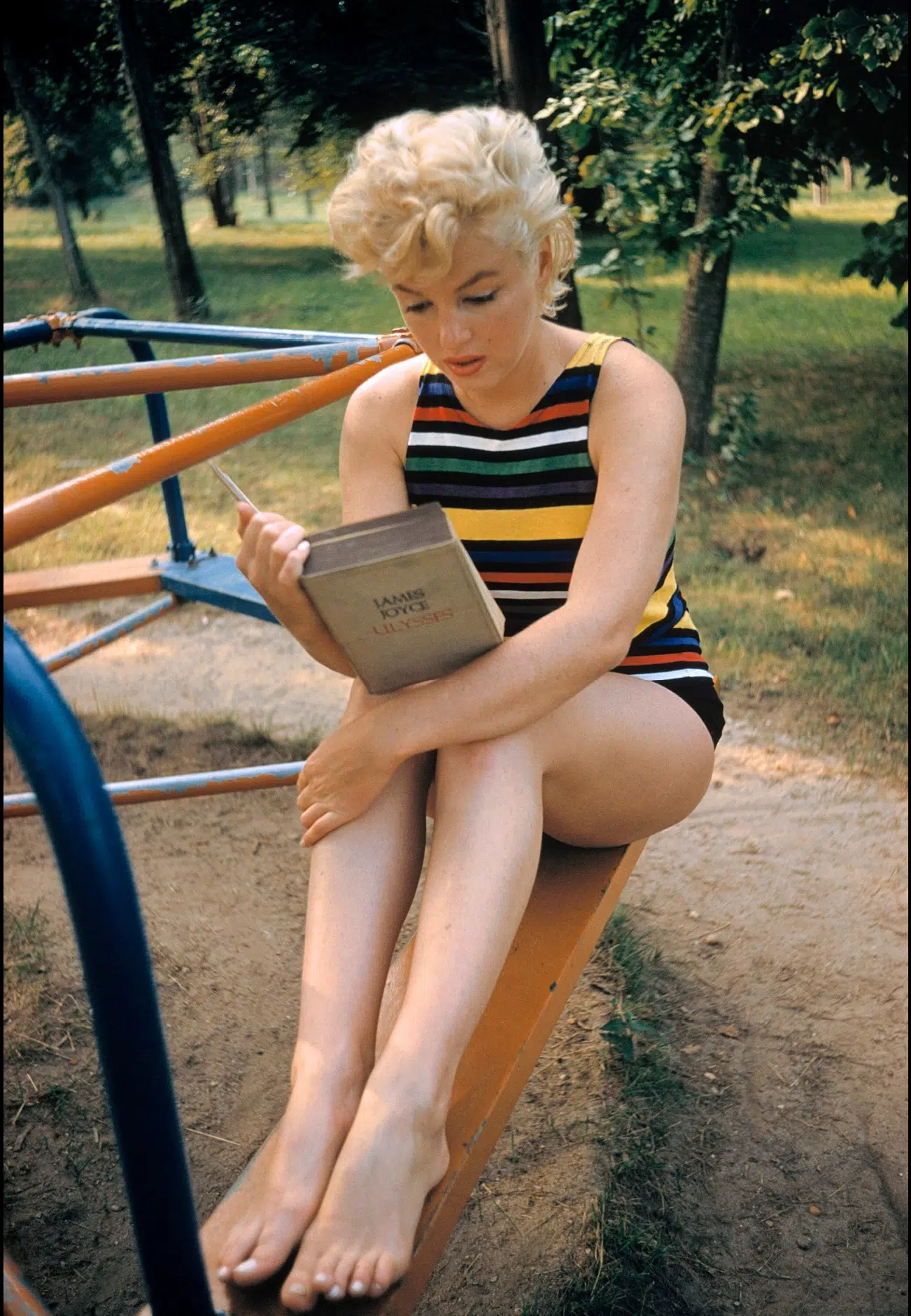
Marilyn Monroe, Mount Sinai, Long Island, 1955, by Eve Arnold, © Eve Arnold Estate
Had she lived, Monroe would be turning 100 on 1 June this year. The centenary will be celebrated by myriad books (check out The Marilyn Monroe Century, which offers never-before-seen images) and a two-month season at the BFI kicks off on her birthday.
Although she was often reduced to“blonde bombshell” and regarded as the definition of desirability in a woman, the BFI’s lead programmer Kim Sheehan points out that Monroe ‘deserves much credit for crafting her own images and stardom. In so many ways, she was a woman ahead of her time’.
While the world of film mourned a life cut short, Monroe’s death was a catalyst for the art world, which has obsessively memorialised her life. The National Portrait Gallery, working in association with the Marilyn Monroe estate, is presenting Marilyn Monroe: A Portrait to celebrate the actor’s ‘inimitable attitude, intelligence, strength and humanity’.
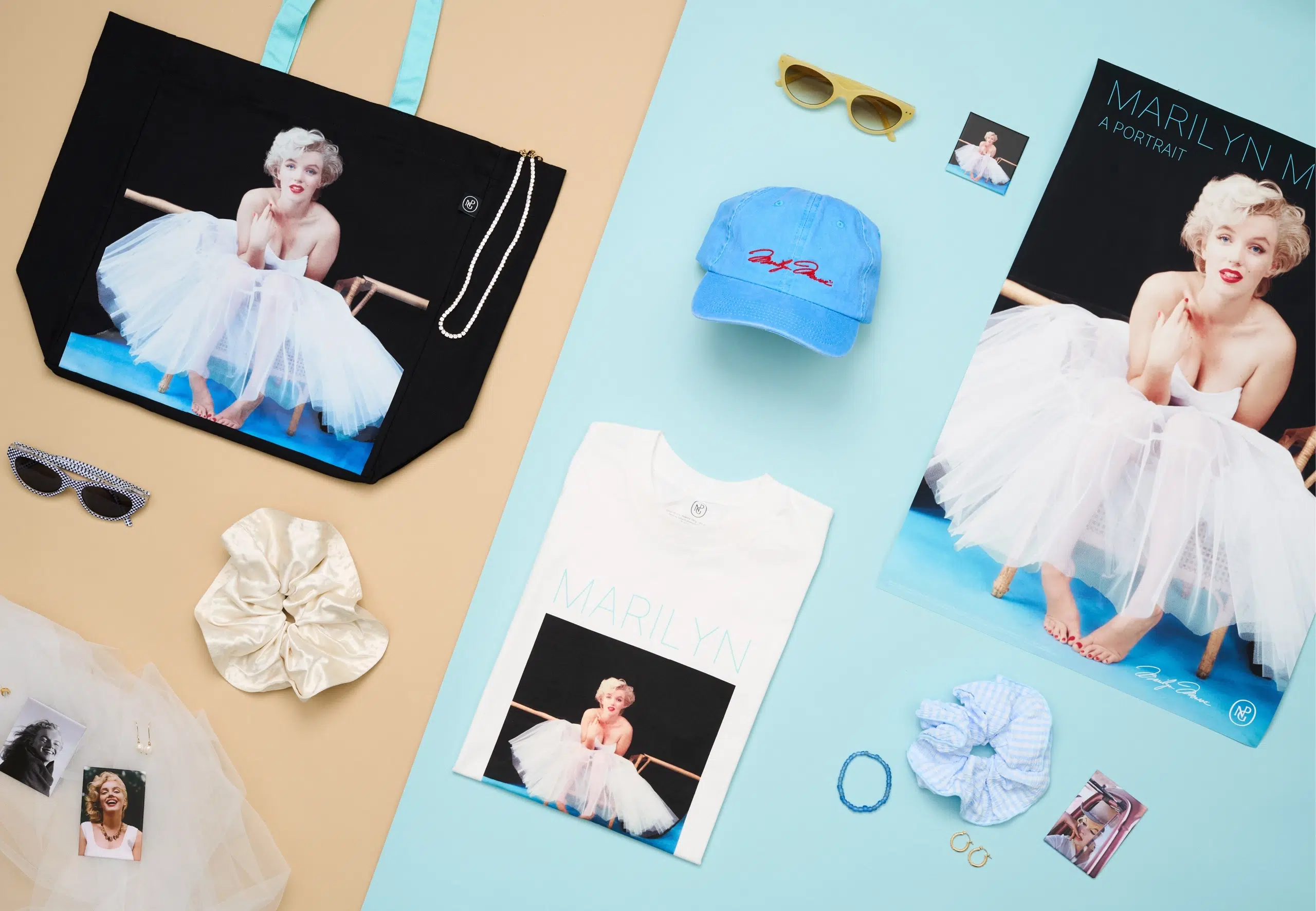
The gallery has launched a Marilyn Monroe centenary collection to accompany the exhibition celebrating the Hollywood icon’sartistry
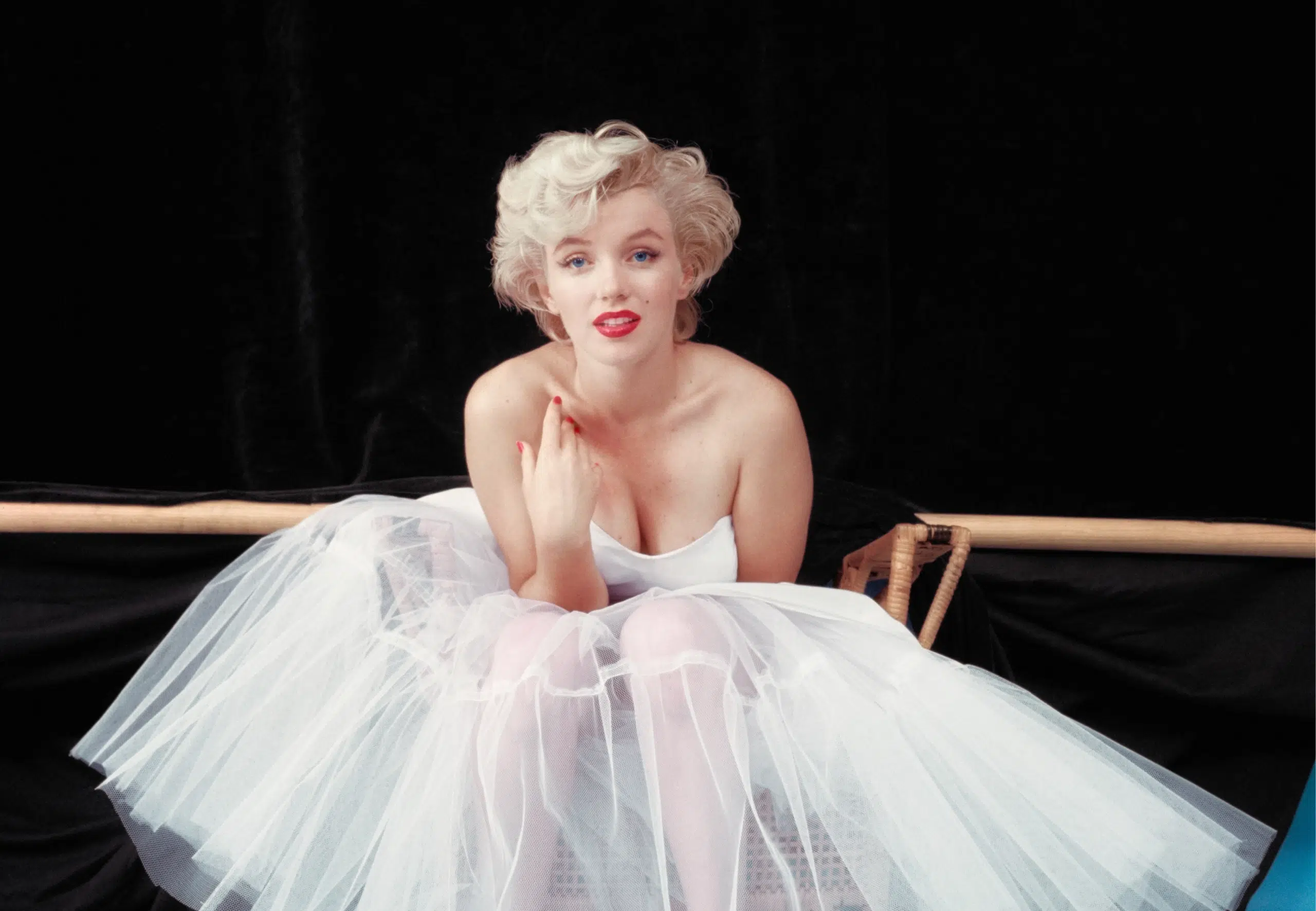
The exhibition, which aims to ‘foreground Monroe’s collaborative approach to image making and her creative agency’, will include images by some of the era’s best photographers, from Cecil Beaton and Eve Arnold to Richard Avedon. There will also be previously unseen photographs from Life magazine, including portraits taken the day before her death.
It’s impossible to think of Monroe without thinking of Warhol’s series of Marilyn screen prints. These will, of course, be part of the NPG show, but there are many other Pop interpretations of Monroe. The late British Pop artist Pauline Boty addressed her grief following Monroe’s death in paintings such as The Only Blonde in the World (1963). It shows Monroe laughing, which is surely how the enduring icon of Hollywood’s Golden Age would like to be remembered– encapsulating optimism.
Marilyn Monroe: A Portrait, at the National Portrait Gallery, 4 June-6 September; npg.org.uk