Often looked down upon by brandy snobs, the fortified wine-like drink from the Cognac region is more sophisticated than many think and is secretly absolutely delicious
At the Cognac Show in London last year, while connoisseurs debated the relative merits of Fins Bois and Borderies terroirs, and some hipsters confidentially ventured their preference for armagnac or even calvados, a few people pulled their hats down to disguise themselves and shamefully slunk into a back room to indulge a guilty perversion… a taste for pineau des charentes.
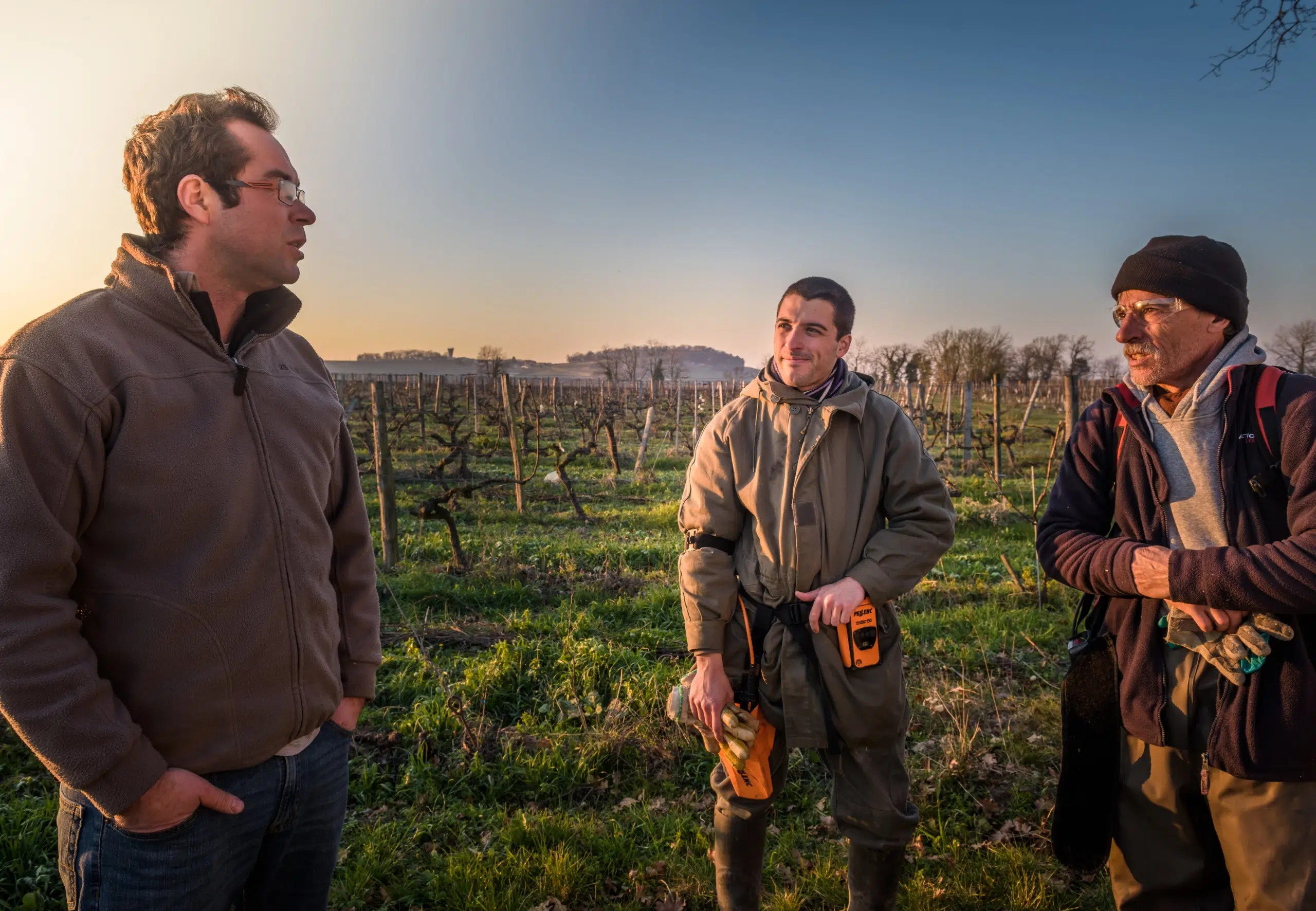
Courtesy of Jean-Luc Pasquet Cognac
What is pineau and why exactly is it often derided? It is often referred to as a fortified wine from the Cognac region, the Charente-Maritime department. But it is not a fortified wine. While it is in the same ballpark as, say, port, it’s not made in the same way.
In Portugal, the fermentation of grape juice into wine is halted by adding spirit (about 20 per cent of the total volume). In the Charente, eau de vie is added before any fermentation takes place (usually, but we’ll get back to that) – and is 25 per cent of the volume. It is technically known as a mistelle (like the ratafia in champagne).
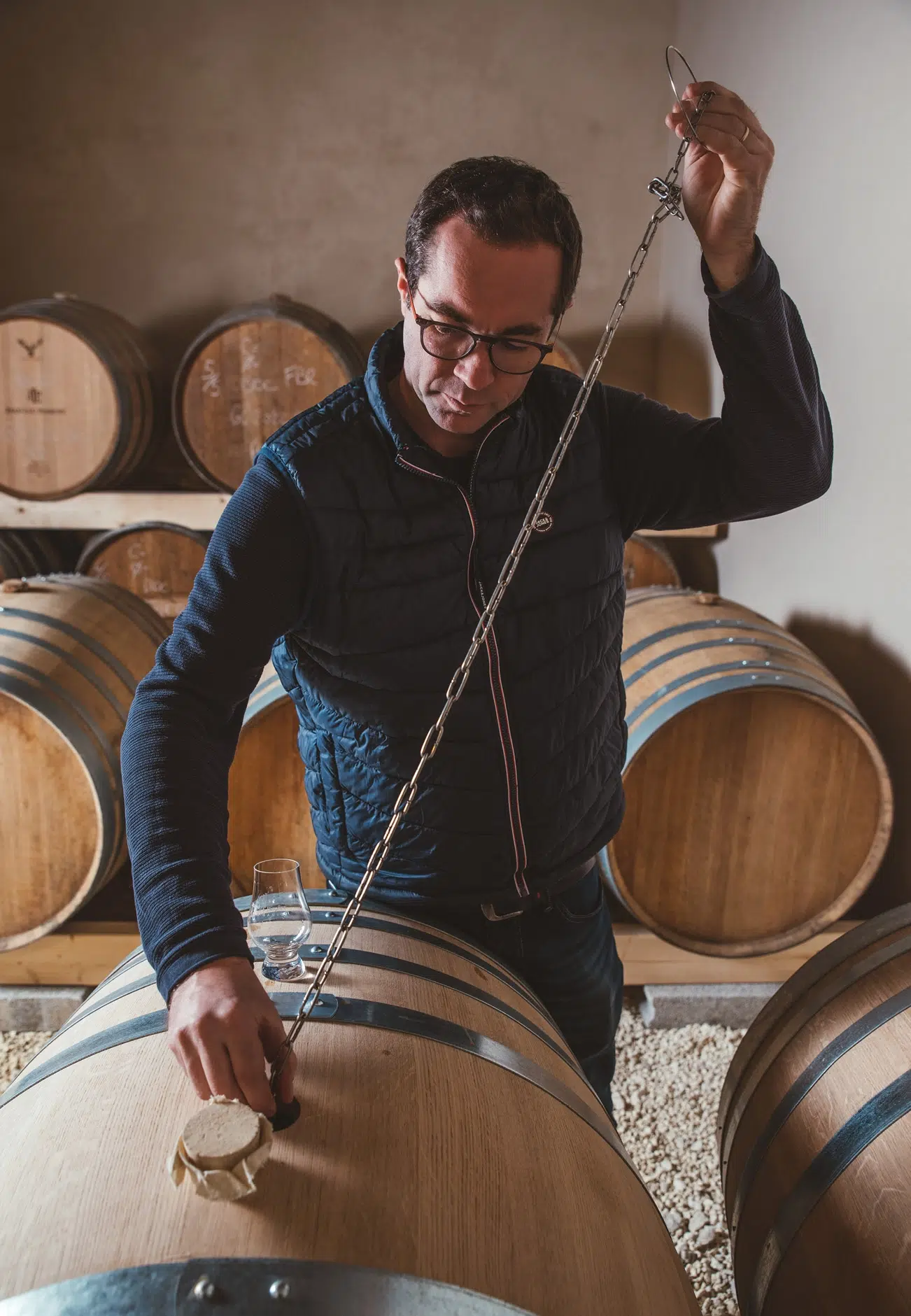
Emily Willetts from Cognac Pierre Lecat, which also produces pineau, explains the process: ‘Pineau is produced by mixing fresh grape juice with cognac – or, rather, eau de vie aged for about a year, so it is too young to be called cognac. After blending, it is aged in oak barrels or stainless-steel vats for a minimum of 12 months for a red or rosé pineau and 18 months for a white.’
Although rumour has it that the drink originated centuries ago when a cognac producer filled a barrel with grape juice to ferment, not realising there was already brandy in there, it’s very deliberate now, explains Willetts. ‘We aim to preserve and conserve all those delicious, fresh fruit, grape profiles and blend those with the complexity of cognac. It makes it a really interesting apéritif that is versatile and dynamic.’
Calling it an apéritif somewhat limits it perhaps, although it is great with tonic, as a twist on crème de cassis in a kir royale, or in various spritzes (usually with honey and citrus involved). But it pairs with food like a Sauternes (foie gras, blue cheese, smoked salmon and other rich seafood) and is a great dessert wine or after-dinner drink. It’s also, frankly, great in an ice bucket by a pool, sipped slowly over hours in the sun…
Dawn Davies, head buyer at the Whisky Exchange, the organiser of the Cognac Show, says that people often forget they’ve had it and liked it. ‘I mention pineau and people don’t recognise the name, but when I describe it, they say, “Oh yeah, I had it on vacation, it’s fantastic!”’ Basically, if you’ve had a week on the Île de Ré or visited your friends’ little place near Jonzac, you’ve had pineau des charentes.
Davies is an unapologetic fan and was the instigator of this get-together. But other cognac connoisseurs were less enthusiastic when they heard about it. Comments such as ‘well, obviously, if you pour sugary juice into cognac, it tastes good’ and ‘oh, cognac for babies’ were bandied about.
Amy Pasquet is both co-owner of Jean-Luc Pasquet Cognac and president of the Comité National du Pineau des Charentes. She says, ‘In France, its validity isn’t questioned. We sell a million more bottles of pineau in France than we do cognac. It’s not something people are snobby about, just because it is accessible.’
Ironically, it is cognac itself that is unappreciated in its own land, compared with whisky. Whereas pineau has not made its international mark.
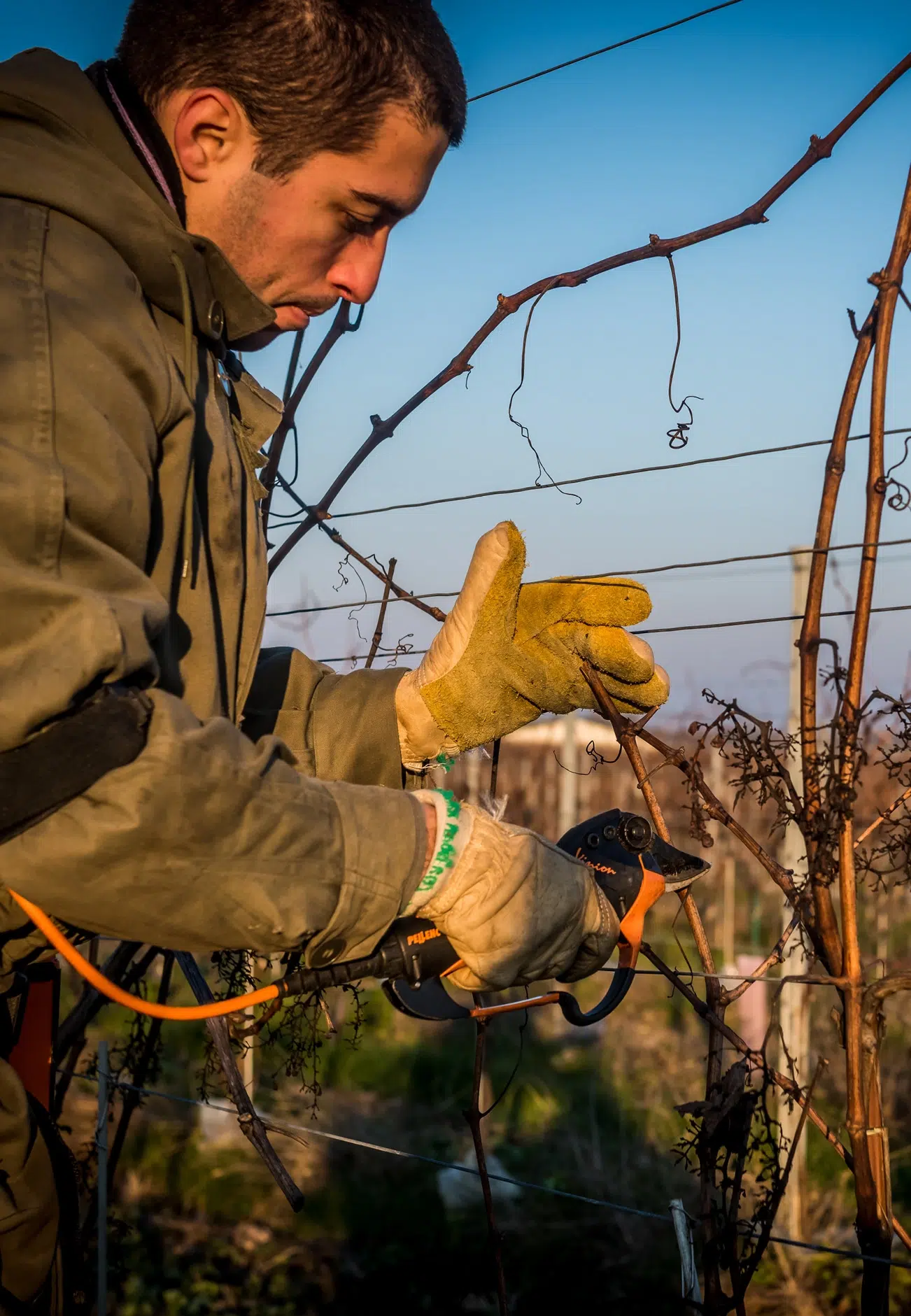
Loïc Barthe, from Château de Beaulon, points out one business reason it has not taken off outside the region: ‘Pineau des charentes is very different from producer to producer. If there was a big producer who made this and then there was marketing, it would become popular’.
The reason there is not a pineau des charentes from the “big four” cognac houses (Hennessy, Martell, Rémy Martin, Courvoisier) is a rule set by the Comité. Its president, Amy Pasquet, explains: ‘The grape juice must come from the same property as the cognac to blend it. There was a motion some years ago to change that, but the pineau producers shut it down’.
The same estate rule does not exclude the big players per se, but the famous cognac maisons buy most of the eau de vie they blend with. The estates they do own tend to be in perfect cognac-producing terroir and planted with ugni blanc grapes only.
‘Because the big cognac houses are not involved,’ says Loïc Barthe, ‘pineaux from different producers are all very different.’ There is white, red and, more recently, rosé pineau; they are made from a wide variety of grapes, grown in different terroirs. And pineau is also taken seriously enough to give it long ageing, which develops extra complexity.
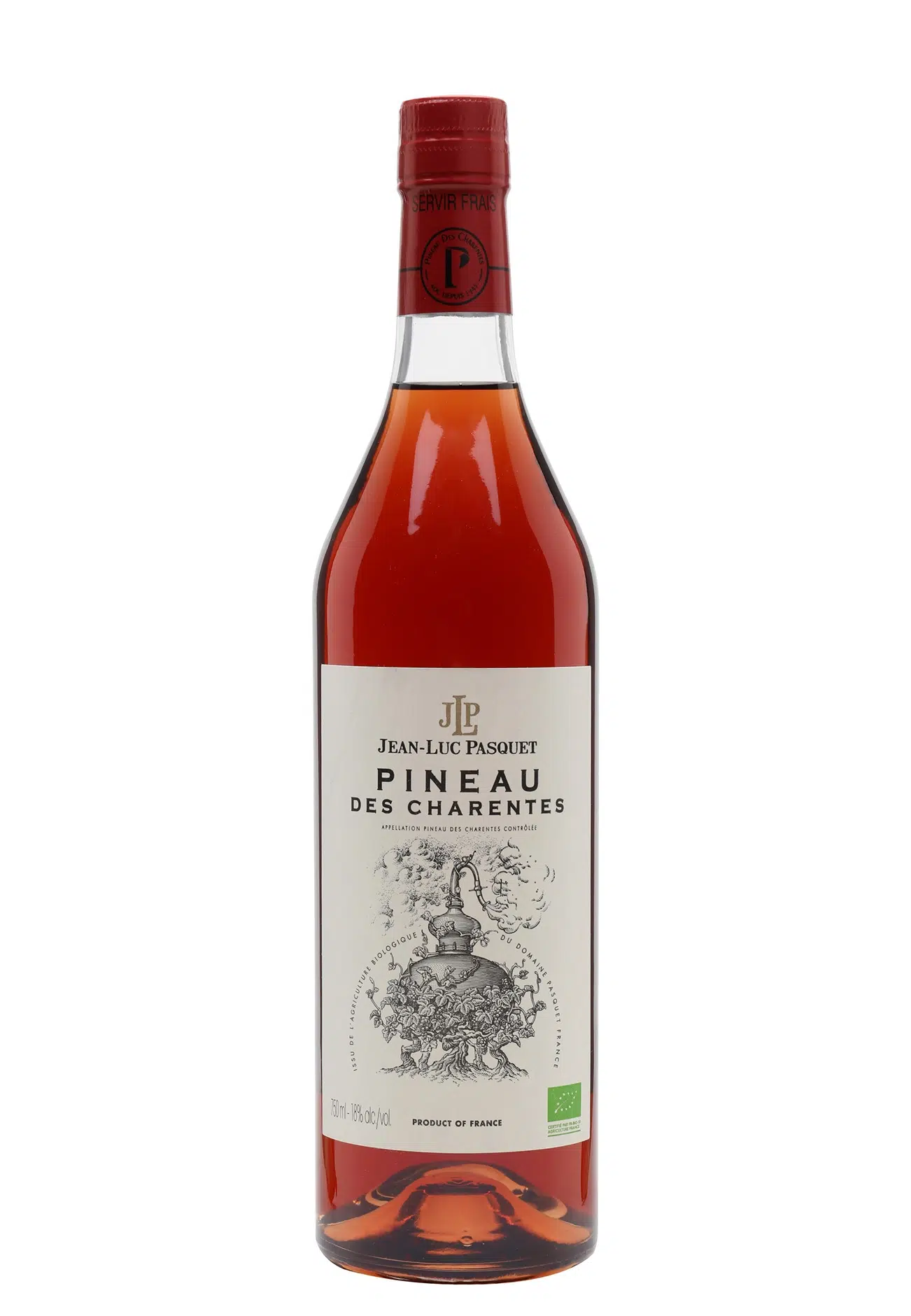
(1)
Jean-Luc Pasquet Pineau des Charentes Rosé, £21.95
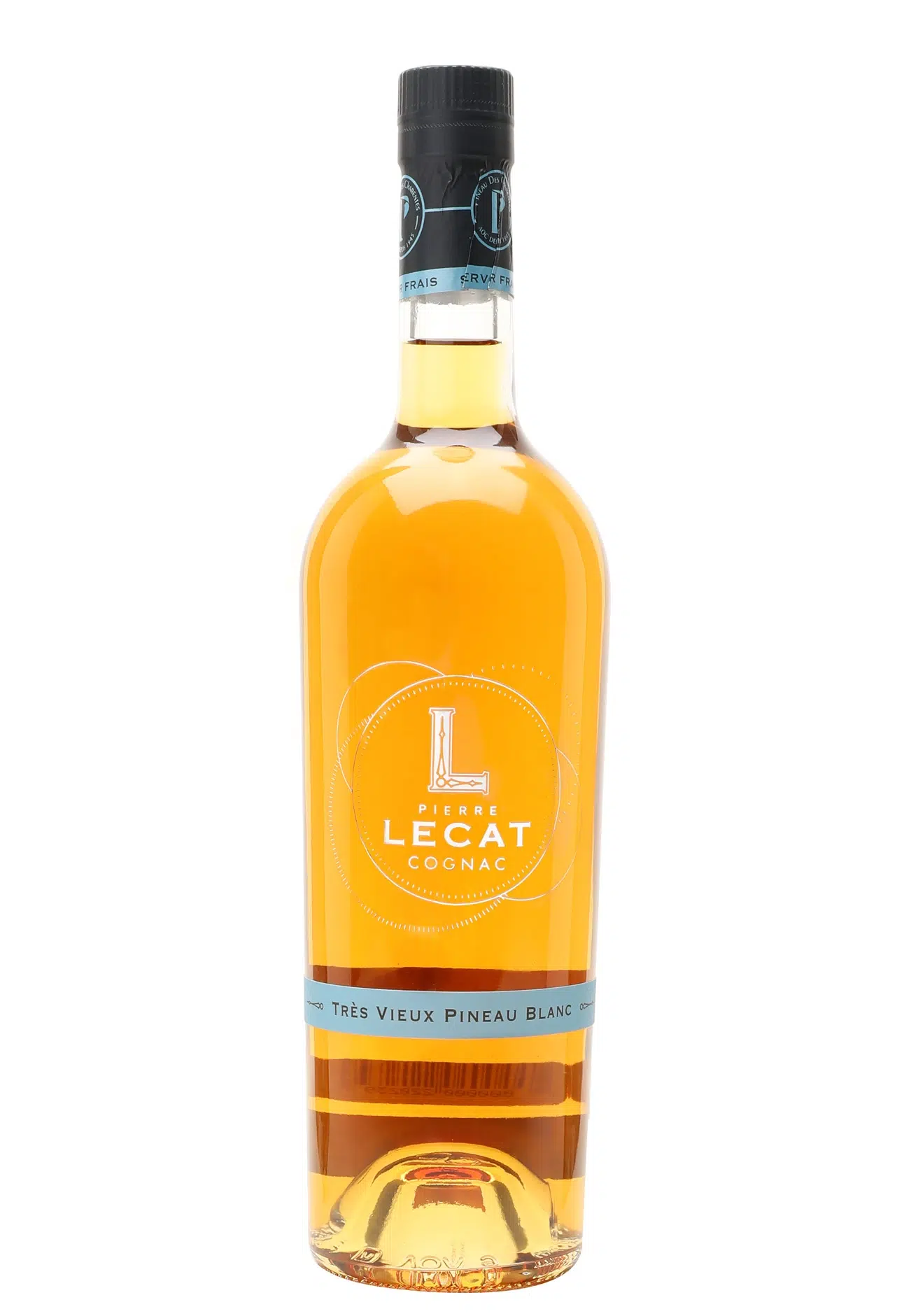
(2)
Pierre Lecat Pineau des Charentes Blanc Très Vieux 2007, £36.50
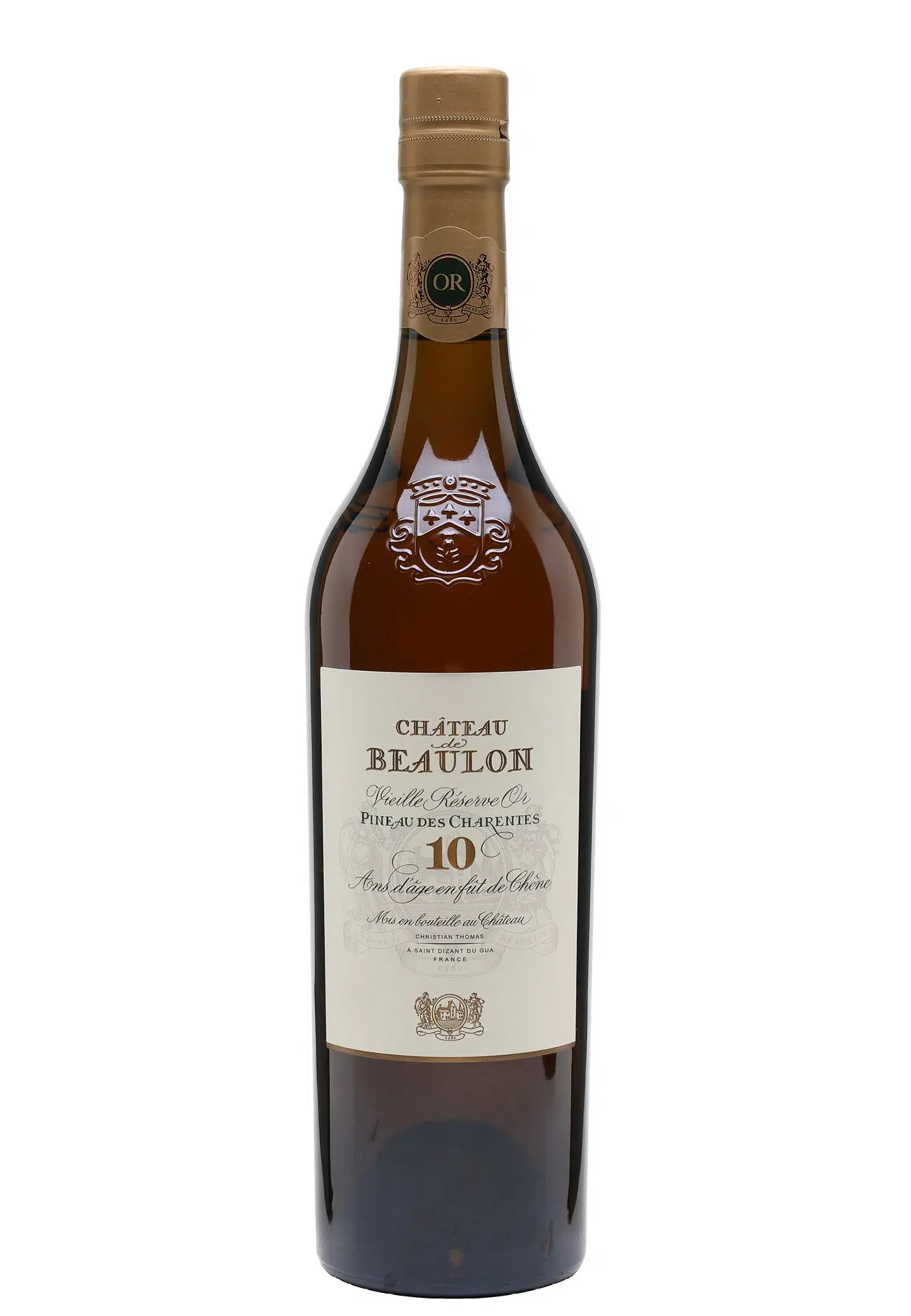
(3)
Château de Beaulon 10 Year Old Pineau des Charentes Rouge “Vieille Réserve”, £45.75
(1)
Jean-Luc Pasquet Pineau des Charentes Rosé, £21.95
(2)
Pierre Lecat Pineau des Charentes Blanc Très Vieux 2007, £36.50
(3)
Château de Beaulon 10 Year Old Pineau des Charentes Rouge “Vieille Réserve”, £45.75
Emily Willetts from Pierre Lecat says: ‘For our younger pineaux, we do use sauvignon blanc and chardonnay, but for our older ones, the traditional cognac grapes – ugni blanc, folle blanche and especially colombard – provide a fresh, acidic profile that oxidises over time and ages well’.
Château de Beaulon was well known for pineau long before it produced cognac seriously. Loïc Barthe says there is an historical context: ‘In the 17th century, the estate was owned by the Bishops of Bordeaux, who wanted to recreate their local Sauternes dessert wine, so planted sémillon and sauvignon blanc, then merlot and cabernet sauvignon and cabernet franc for red pineau’.
They are certainly not making pineau just like 400 years ago; this isn’t a drink stuck in the past. All the producers mentioned here have experimented with different distillation methods to create eaux de vie produced specifically for the style of pineau. And in 2018, a new category was ratified by the Comité: rosé pineau.
For rosé, a small amount of fermentation of the grape juice is allowed (up to 2.5 per cent alcohol) to reduce the sugar a little. And this is the style where ageing in steel is allowed, to preserve that pink blush. Amy Pasquet says, ‘When I first encountered pineau [in 2005, when she came to France with her husband, Jean Pasquet], it was a very classic style. But, more and more, producers want to experiment with pineau, modernise it – trying single grape varietals or, with rosé, since you don’t have to age it in wood anymore, trying amphoras and other methods.’
So, no more skulking – there is nothing to be ashamed of. We can march into this year’s Cognac Show and proudly shout, ‘I’m here for the pineau!’
The Cognac Show is at Glaziers Hall, London Bridge, 17-18 April 2026. Tickets at cognacshow.com
Brummell’s recommendations of pineau des charentes (above) are available at thewhiskyexchange.com